2026 Top Trends in Polyolefin Shrink Wrap for Packaging Solutions?
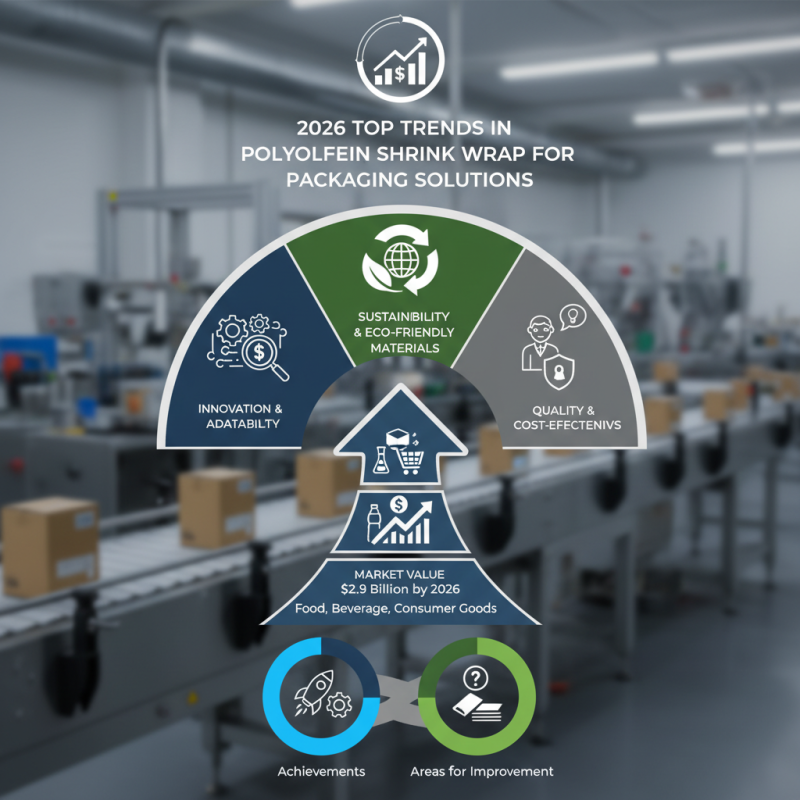
The packaging industry is undergoing significant changes, driven by innovation and sustainability. One of the standout materials in this evolution is Polyolefin Shrink Wrap. According to a recent market analysis, the global polyolefin shrink wrap market is projected to reach $2.9 billion by 2026. This growth showcases its crucial role in various sectors, including food, beverage, and consumer goods.
Experts like Dr. Emily Rodriguez, a leading researcher in packaging technologies, stress the importance of adaptability in this industry. She states, “The versatility of Polyolefin Shrink Wrap allows for endless applications and improvements.” The ability to shrink wrap products effectively adds a layer of protection while enhancing shelf appeal. However, challenges persist. Some manufacturers struggle with sourcing high-quality materials that are cost-effective.
Sustainability is also a pressing concern. Ensuring that Polyolefin Shrink Wrap is recyclable or made from eco-friendly materials remains a key focus. The industry must balance innovation with environmental responsibility. As we explore the top trends for 2026, it is necessary to reflect on both achievements and areas for improvement within the Polyolefin Shrink Wrap sector.
Key Innovations in Polyolefin Shrink Wrap Technology for 2026
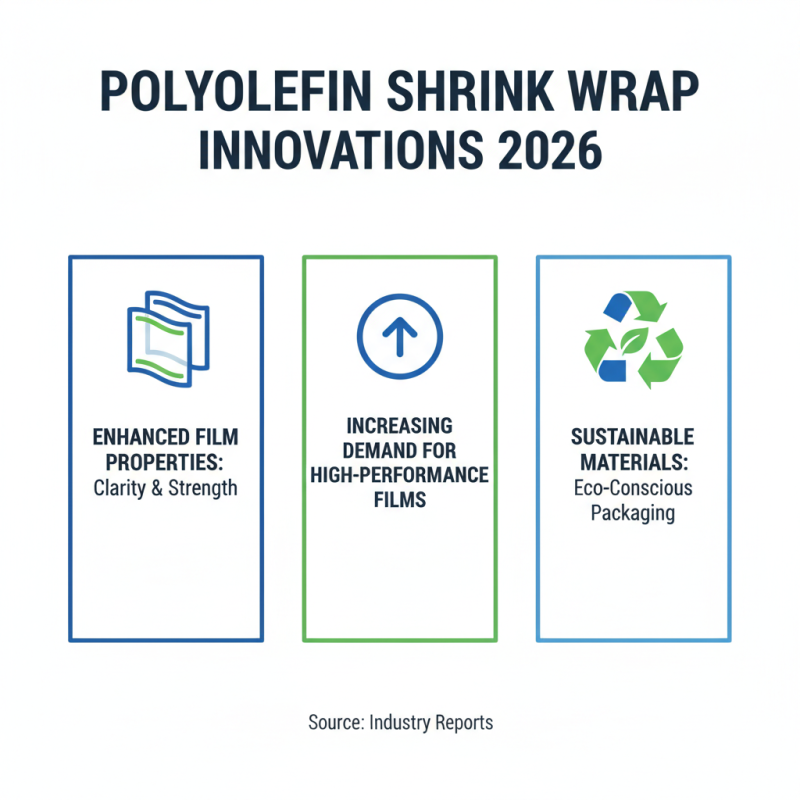
The polyolefin shrink wrap market is witnessing key innovations in 2026. Advanced technologies are enhancing film clarity and strength. According to industry reports, the demand for high-performance films is rising. Manufacturers are focusing on sustainable materials, which is crucial for eco-conscious packaging solutions.
Innovations in production processes are also noteworthy. Companies are investing in co-extrusion technology. This method allows for thinner layers without compromising performance. Reports indicate a 15% reduction in material usage through these innovations. Shrink wrap can now maintain product integrity more effectively, addressing concerns about packaging reliability.
Yet, challenges remain. Some products still lack adequate barrier properties. This issue affects shelf life and product quality. As businesses adopt these new technologies, ongoing research is vital. The balance between sustainability and performance needs constant evaluation.
Sustainability Trends Impacting Polyolefin Shrink Wrap Production
The rise of sustainability in packaging is transforming the landscape of polyolefin shrink wrap production. More manufacturers are focusing on eco-friendly materials. This shift prioritizes biodegradable options, minimizing plastic waste. Bioplastics are gaining attention, as they decompose faster than traditional plastics. This transition is not without challenges, though. Sourcing sustainable materials often involves higher costs and limited availability.
Consumer demand for greener products influences production choices. Brands want their packaging to reflect environmental responsibility. As a result, manufacturers are investing in innovative processes. They are researching how to reduce energy consumption during production. However, there is a fine line between effective sustainability and keeping costs low. Companies sometimes compromise on quality when trying to meet sustainability goals.
Implementing sustainable practices requires ongoing adjustments. Some polyolefin shrink wraps may still rely on conventional methods. This inconsistency can create confusion for consumers. They need clear information on what constitutes eco-friendly packaging. Furthermore, educating the workforce on sustainable practices is crucial. Development in this area is progressing, yet there is room for improvement. The journey towards complete sustainability in polyolefin shrink wrap production is a work in progress.
Market Analysis: Demand for Polyolefin Shrink Wrap in 2026
The market for polyolefin shrink wrap is set to experience significant growth by 2026. Factors like increased demand for sustainable packaging solutions play a crucial role in this expansion. The versatility of polyolefin films makes them suitable for diverse applications. Industries like food, pharmaceuticals, and electronics are key drivers of this trend.
As consumer preferences shift towards eco-friendly packaging, manufacturers are responding. They are focused on producing more recyclable materials. Consumers look for bags that protect products while being environmentally responsible. This demand puts pressure on producers to innovate. However, some companies struggle with the costs of developing sustainable alternatives.
Challenges exist in ensuring that quality is not compromised during production. The transition to greener options requires investment and time. Companies must refine their processes. Only then can they meet these evolving market demands. The landscape of polyolefin shrink wrap will continue to change, driven by market needs and environmental considerations.
Advancements in Polyolefin Shrink Wrap Machinery and Equipment
The advancements in polyolefin shrink wrap machinery are transforming packaging solutions in 2026. Manufacturers are innovating equipment to enhance efficiency and reliability. Newer models are faster, consuming less energy while producing high-quality shrink wraps. This reduction in energy consumption is particularly crucial as industries seek to minimize their carbon footprint.
Moreover, automation is playing a significant role. Machines equipped with advanced sensors and software can now adjust settings automatically. This results in more consistent packaging. However, relying heavily on automation raises questions about flexibility. Some machines may struggle with unusual packaging shapes or sizes. This is an area where improvements are still needed.
Another key aspect is the material technology. Polyolefin films are being developed with greater strength and clarity. They are not only eco-friendlier but also more user-friendly. Despite these improvements, some users report difficulties in handling these films during the wrapping process. Ensuring ease of use remains a point for further reflection. The industry must balance technology with practical application for seamless operations.
Consumer Preferences Shaping Polyolefin Shrink Wrap Applications
Consumer preferences are driving significant changes in polyolefin shrink wrap applications. As sustainability becomes increasingly important, eco-friendly materials are now in high demand. Consumers want packaging that minimizes waste and reduces environmental impact. This has led to innovations in the composition of shrink wrap, focusing on recyclable and biodegradable options.
Another factor influencing choices is the aesthetic appeal of packaging. Color, design, and clarity of the shrink wrap can elevate product visibility. Brands are recognizing the need for attractive wraps that resonate with consumers. Customization is a growing trend. It allows products to stand out on the shelves while ensuring that the packaging reflects brand values. However, not all companies can meet these expectations, which may cause some frustration among consumers.
Lastly, functionality remains crucial. Many consumers appreciate packaging that offers protection and convenience. Shrink wrap must be durable yet easy to open. Moreover, it should ensure freshness without compromising the product's quality. The challenge lies in balancing these functional needs with sustainability and aesthetic appeal. As demands shift, brands must continually evaluate their strategies. They must adapt to optimize their packaging solutions effectively.
2026 Top Trends in Polyolefin Shrink Wrap for Packaging Solutions
| Trend |
Description |
Impact on Consumer Preferences |
Estimated Growth (%) |
| Sustainability |
Increase in eco-friendly materials and recyclable options. |
Rising demand for sustainable packaging solutions among consumers. |
15% |
| Customization |
Enhanced options for custom sizes and designs. |
Personalization trends lead to increased satisfaction. |
20% |
| E-commerce Growth |
More products are being packaged for online sale. |
Demand for robust and protective packaging is increasing. |
30% |
| Tech Integration |
Use of smart packaging technology to enhance user experience. |
Growing consumer interest in innovative packaging solutions. |
10% |
| Health and Safety |
Increased focus on hygienic and tamper-proof packaging. |
Consumers prioritize safety and quality assurance. |
25% |