Top Benefits of Using Shrink Wrap Film for Packaging Solutions?
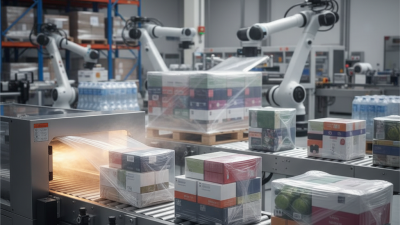
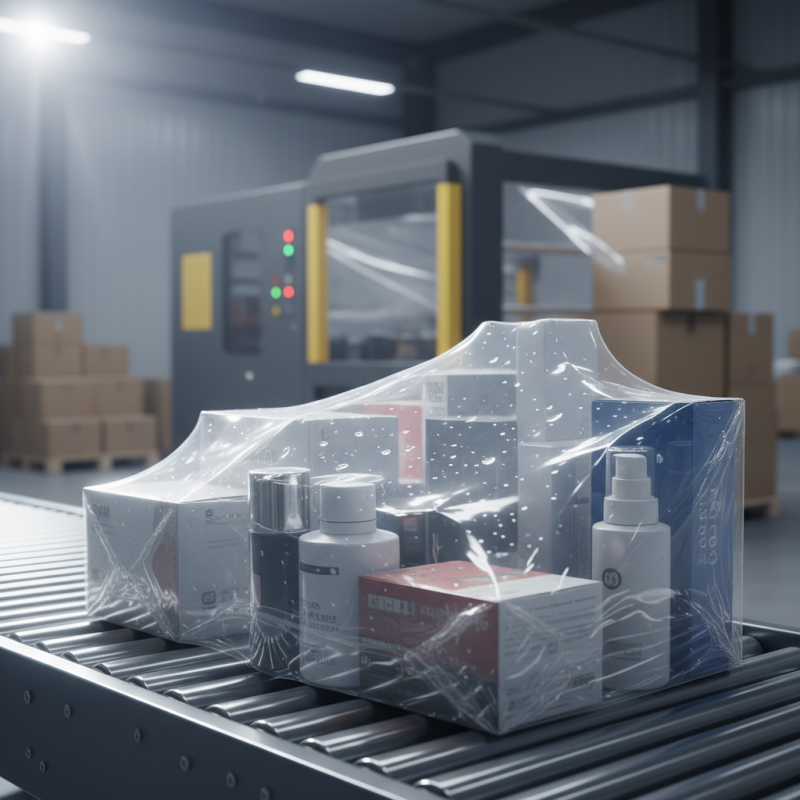
Shrink Wrap Film has become an essential part of modern packaging solutions. This versatile material is favored by many industries for its protective qualities and ease of use. It tightly conforms to products, creating a secure barrier against dirt, moisture, and physical damage. Businesses often find that it enhances their packaging efficiency.
Moreover, the use of Shrink Wrap Film can lead to cost savings. It reduces the need for additional packing materials. However, not all shrink wrap products are created equal. Some may not provide the expected level of protection. This inconsistency raises questions about the quality of materials used. It is important for companies to reflect on their packaging choices.
In today’s competitive market, effective packaging is crucial. Shrink Wrap Film not only protects but also showcases products. It allows for a professional appearance that can attract customers. Still, businesses should evaluate whether they are using the right type of shrink wrap for their specific needs. Knowing these details can make a significant impact on success.
Key Features of Shrink Wrap Film in Packaging Solutions
Shrink wrap film plays a pivotal role in modern packaging solutions. Its versatility and effectiveness are highlighted by several key features. One of the main advantages is its ability to conform tightly to products. This minimizes movement during shipping. A study found that nearly 70% of companies that switched to shrink wrap noted fewer damages in transit. This data underscores its protective qualities.
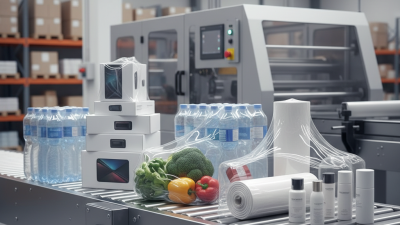
Another important aspect of shrink wrap is its barrier properties. It shields products from moisture, dust, and contaminants. According to industry reports, packaging failures often result from environmental factors. Shrink wrap acts as a reliable defense, especially for food and electronics. Many businesses report extended product shelf life due to its hermetic seals.
Despite its many benefits, shrink wrap film is not without challenges. Production waste is a concern; up to 30% of film can end up as scrap during manufacturing. This issue prompts ongoing discussions about sustainable practices in packaging. While shrink wrap is effective, the need for recycling options remains crucial. Balancing functionality with environmental responsibility is an area that requires more attention.
Advantages of Using Shrink Wrap Film for Product Protection
Shrink wrap film offers several advantages for product protection. This versatile packaging solution effectively seals products, safeguarding them from moisture, dust, and UV light. According to a recent study, nearly 70% of companies noted a reduction in product damage when using shrink wrap. This statistic highlights the film's effectiveness in maintaining product integrity during storage and transportation.
Moreover, shrink wrap film can conform tightly to various shapes and sizes. This adaptability means that it can minimize excess packaging material, leading to cost savings. In fact, a report revealed that companies could save up to 30% on packaging costs by switching to shrink wrap systems. However, it is essential to consider the environmental impact of plastic materials. While shrink wrap is efficient, it's crucial to explore recyclable options or methods to reduce plastic waste. Balancing protection and sustainability requires ongoing reflection and improvement.
Top Benefits of Using Shrink Wrap Film for Packaging Solutions
| Benefit |
Description |
Application |
| Protection from Contaminants |
Shrink wrap film provides a protective barrier against dust, dirt, and moisture, keeping products clean and safe. |
Food packaging, electronics, and medical supplies. |
| Tamper Evidence |
Once sealed, shrink wrap shows visible signs of tampering, ensuring product integrity. |
Pharmaceuticals and consumables. |
| Cost-Effectiveness |
Shrink wrap is typically less expensive than other packaging materials, reducing overall packaging costs. |
Manufacturing and retail. |
| Versatility |
Can be used for a wide range of products, regardless of shape or size, making it a flexible packaging option. |
Industrial and consumer products. |
| Enhanced Shelf Life |
Shrink wrap helps to extend the shelf life of products by protecting them from external factors. |
Perishable goods and cosmetics. |
Cost-Effectiveness of Shrink Wrap Film in Packaging
Shrink wrap film is an increasingly popular choice for packaging. Its cost-effectiveness makes it attractive for many businesses. It provides a tight seal that protects products. Additionally, it is lightweight, which can lower shipping costs.
Using shrink wrap film can be simple, but there are some tips to maximize its benefits. Make sure to choose the right thickness for your products. Thicker films might offer better protection but can increase costs. Test different options to find the ideal balance between cost and durability.
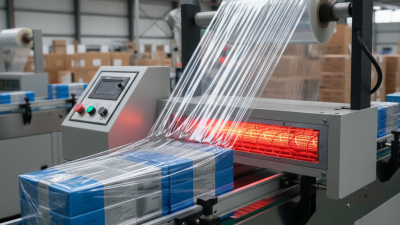
Another point to consider is the wrap’s heat source. Using the right heat gun can significantly increase efficiency. A consistent temperature ensures a proper seal. Keep the workspace clean to prevent contamination on the film, which could affect adhesion. Packaging can go wrong if not done carefully. Regular training for staff is beneficial to minimize mistakes in the wrapping process.
Environmental Considerations of Shrink Wrap Film Usage
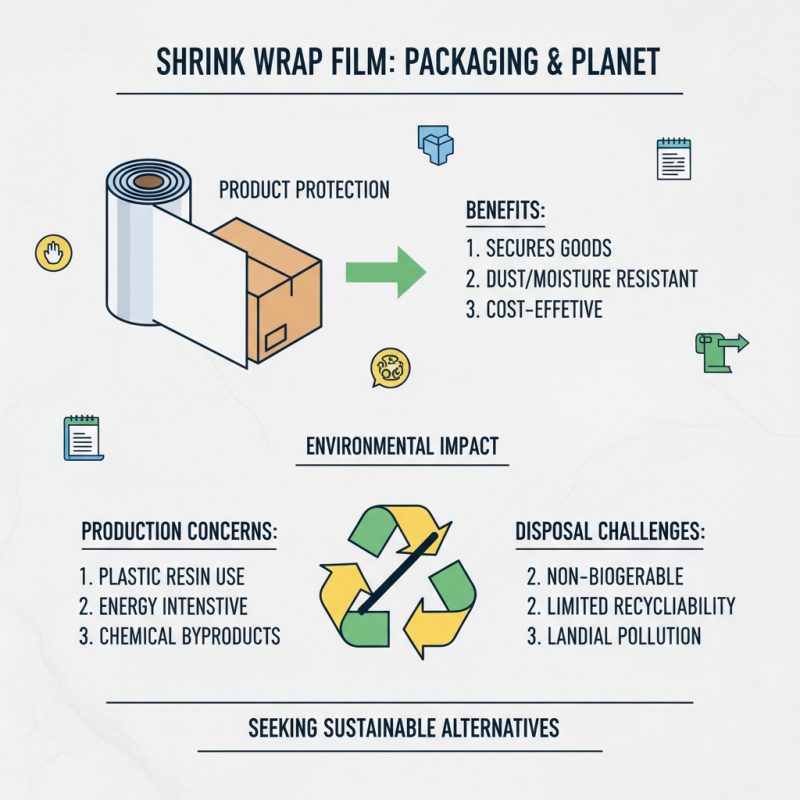
Shrink wrap film has become a popular choice in packaging. However, its environmental impact raises important questions. While it effectively protects products, its production and disposal process require attention.
The film is often made from polyethylene, which is derived from fossil fuels. This connection to non-renewable resources raises concerns. Although it can be recyclable, many facilities do not accept it. As a result, a significant amount ends up in landfills. Once in the environment, shrink wrap can take hundreds of years to decompose.
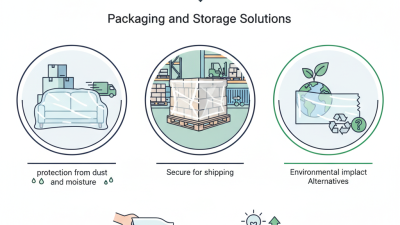
Reducing waste is critical. Businesses need to be mindful of shrink wrap usage. Alternative packaging solutions could lessen the ecological footprint. Compostable and biodegradable materials are excellent options. Awareness of the environmental implications must grow among users. Thoughtful choices can lead to a more sustainable future.
Versatility of Shrink Wrap Film in Different Industries
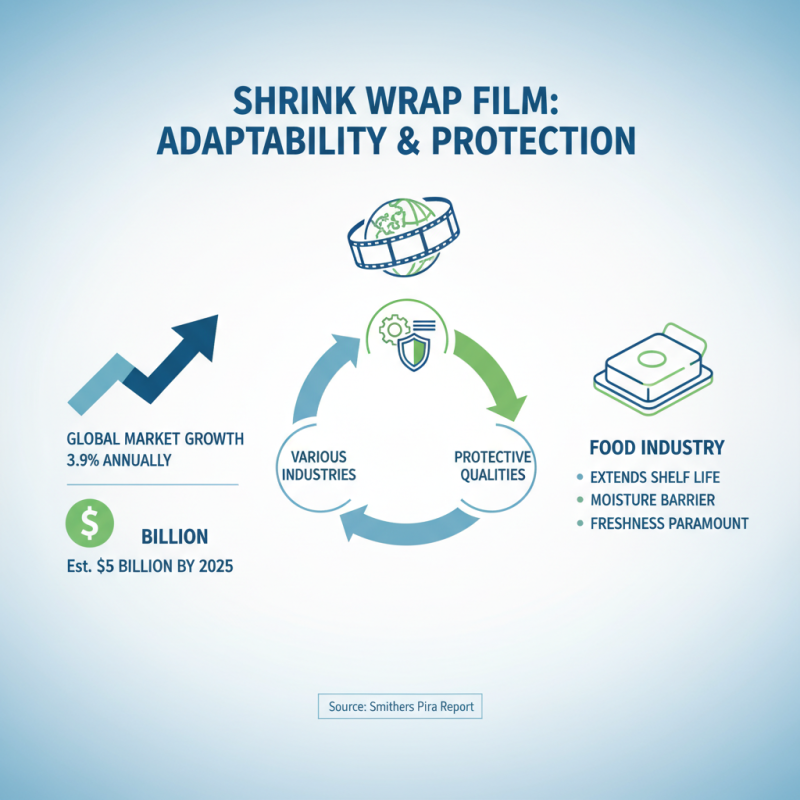
Shrink wrap film has gained traction across various industries due to its adaptability and protective qualities. In the food industry, for instance, it extends the shelf life of products by providing a moisture barrier. According to a report by Smithers Pira, the shrink film market is projected to grow by 3.9% annually, reaching $5 billion by 2025. This growth underscores the increasing reliance on shrink wrap for packaging perishables, where freshness is paramount.
In the manufacturing sector, shrink wrap serves a dual purpose: securing products and facilitating transportation. When products are tightly sealed, the risk of damage during shipping diminishes. This feature is particularly beneficial for fragile items. Many manufacturers report a 25% reduction in damage liability after switching to shrink-wrapped packaging solutions. However, it’s essential to consider that over-reliance on shrink wrap can lead to environmental concerns. Recycling options for shrink films are still limited, prompting discussions around sustainability.
Additionally, the retail industry has embraced shrink wrap to enhance product displays. Items wrapped in clear film appear sleek and organized, enticing customers. Yet, there is a downside. Excessive packaging can overwhelm consumers and lead to negative perceptions. Striking the right balance is crucial for retailers aiming to attract eco-conscious shoppers.