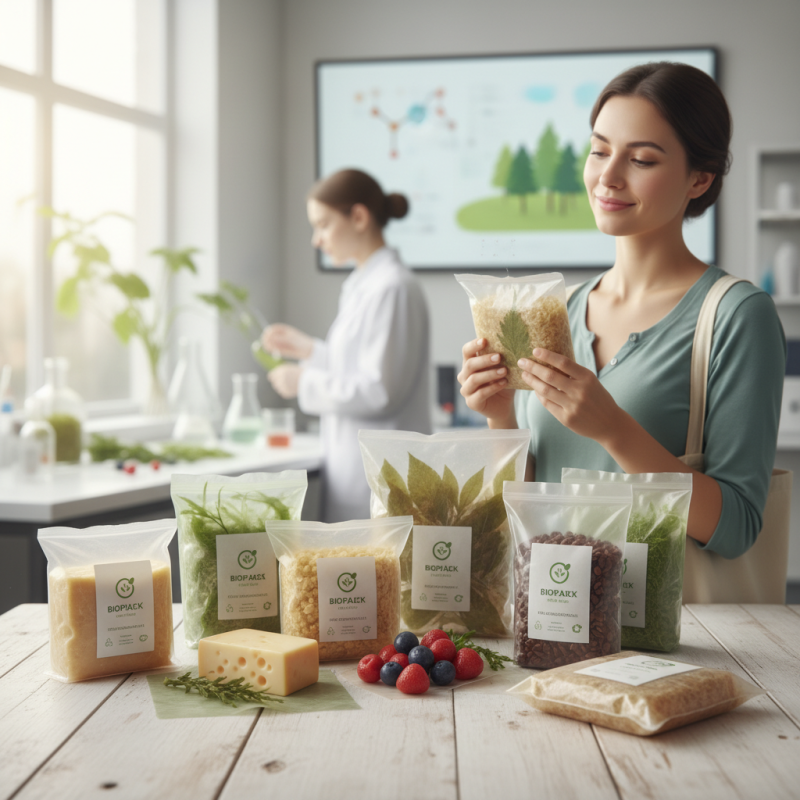
How to Choose the Best Packaging Film for Your Products in 2025
In the rapidly evolving world of consumer goods, the significance of selecting the right Packaging Film cannot be overstated. As we approach 2025, the landscape of packaging technologies is shifting towards enhanced sustainability and efficiency. Renowned packaging expert Dr. Laura Smith emphasizes, "Choosing the right packaging film is not just about protecting the product; it's about making a responsible choice that resonates with today's environmentally-conscious consumers."
As businesses strive to meet both functional requirements and environmental standards, understanding the nuances of different packaging materials becomes crucial. Various factors, including barrier properties, recyclability, and production costs, play a pivotal role in the decision-making process. In a market where consumer preferences are increasingly leaning toward sustainable solutions, the right Packaging Film can significantly impact a brand's reputation and bottom line.
This journey towards identifying the ideal Packaging Film is not just a technical endeavor; it encompasses a broader commitment to quality, sustainability, and innovation. In the following sections, we will explore critical considerations and emerging trends that will guide you in selecting the best packaging solutions for your products as we look ahead to 2025.

Understanding Your Product's Packaging Requirements
When selecting the best packaging film for your products, understanding your product's specific packaging requirements is crucial. The packaging not only serves the practical purpose of protecting the product but also plays a vital role in its marketing and branding. According to the Smithers Pira report, the global flexible packaging market is expected to reach $300 billion by 2025, underscoring the importance of choosing the right material. Factors such as the product's shelf life, storage conditions, and handling processes will dictate the type of film suitable for your items.
Consider the physical properties of your product, including weight, temperature sensitivity, and perishability. For instance, products requiring longer shelf lives may benefit from barrier films that provide excellent oxygen and moisture resistance, as indicated by a McKinsey study which highlights that 40% of food waste is attributed to inadequate packaging. Additionally, understanding the environmental impact of packaging materials has become increasingly important; with sustainability taking center stage in consumer preferences, a shift towards biodegradable or recyclable films may align better with market expectations. A recent industry forecast suggests that the demand for sustainable packaging solutions will grow by 25% annually through 2025, making it essential for businesses to consider eco-friendly options in their packaging strategies.
Exploring Different Types of Packaging Films Available
When choosing the right packaging film for your products, it’s essential to understand the various types available on the market. One of the most popular types is polyethylene (PE) film, known for its flexibility and moisture resistance, making it ideal for items that require protection from humidity. This versatile material is commonly used in food packaging and consumer goods, as it provides a strong barrier against contaminants while remaining light and easy to handle.
Another option is polypropylene (PP) film, which offers excellent clarity and a higher melting point compared to PE. This makes it suitable for packaging products that need to withstand higher temperatures during processing. PP film is often utilized in applications requiring superior printability and aesthetic appeal, such as gift wraps or custom packaging for retail products. Additionally, biodegradable films are emerging as a sustainable alternative, catering to the growing demand for environmentally friendly packaging solutions. These films break down more quickly than traditional materials, appealing to eco-conscious consumers and businesses looking to reduce their environmental footprint.
As you assess the different types of packaging films, consider the specific needs of your products, including durability, visibility, and sustainability. Understanding the characteristics of each film type will help you make an informed decision that aligns with your brand values and enhances the protection and presentation of your products.
Types of Packaging Films Available in 2025
This chart represents the different types of packaging films and their projected market share in 2025. The data illustrates the growing significance of biodegradable and recyclable films in the industry.
Evaluating Key Factors for Selecting Packaging Films
When selecting the best packaging film for your products in 2025, it's essential to evaluate several key factors that can impact both usability and sustainability. One of the foremost considerations is the type of material used in the packaging film. Different materials offer varied levels of protection, recyclability, and barrier properties, which can affect the shelf life and quality of your products. Additionally, assessing the film's compatibility with your packaging machinery is critical to ensure efficiency in the production line.
Tips: Always conduct thorough testing of your chosen film with your specific product to gauge adhesion and leakage prevention. Involving cross-functional teams—such as marketing, supply chain, and sustainability experts—can provide a more comprehensive view of the best options available.
Another crucial factor is the environmental impact of the packaging film. In 2025, consumers are increasingly concerned about sustainability. Choosing biodegradable or recyclable films not only meets regulatory requirements but also boosts your brand's reputation. Moreover, consider the life cycle of the packaging, from production to disposal, to ensure a minimal ecological footprint.
Tips: Research suppliers that prioritize sustainability and offer transparent information about the sourcing and disposal of their materials. Collaborating with packaging innovators can help identify films that optimize performance while being eco-friendly.
Sustainability Considerations in Packaging Film Choices
When selecting packaging film for your products in 2025, sustainability should be at the forefront of your decision-making process. The environmental impact of packaging materials is increasingly important as consumers demand more eco-friendly solutions. Sustainable packaging films not only reduce waste but also enhance brand reputation by aligning with consumers' values. Consider opting for films made from recycled or biodegradable materials. These options can significantly lower your carbon footprint and contribute to a circular economy.
Tips for choosing sustainable packaging films include researching the lifecycle of materials used and understanding their recyclability. Look for certifications or third-party validations that indicate environmental responsibility. Collaborating with suppliers who prioritize sustainability can also lead to innovative film options that meet both performance and ecological standards.
Additionally, consider the production process of your packaging films. Some films may be made using methods that consume less energy or produce fewer emissions. Prioritizing films that are produced locally can also lower transportation-related environmental impacts. By integrating these considerations into your packaging film selection, you’ll not only support sustainability initiatives but also cater to a growing consumer base that values environmentally responsible products.
How to Choose the Best Packaging Film for Your Products in 2025 - Sustainability Considerations in Packaging Film Choices
| Criteria |
Material Type |
Recyclability |
Biodegradable |
Durability |
Cost (per kg) |
| Film A |
PLA (Polylactic Acid) |
Yes |
Yes |
Moderate |
$3.00 |
| Film B |
Bio-based PE (Polyethylene) |
Yes |
No |
High |
$2.50 |
| Film C |
PVC (Polyvinyl Chloride) |
Limited |
No |
Very High |
$1.80 |
| Film D |
PP (Polypropylene) |
Yes |
No |
High |
$2.20 |
| Film E |
PVB (Polyvinyl Butyral) |
No |
Yes |
Moderate |
$4.00 |
Future Trends in Packaging Films for 2025 and Beyond
As we look forward to 2025, the packaging film industry is poised to undergo significant transformations driven by sustainability, innovation, and consumer preferences. One of the most notable trends is the shift towards biodegradable and compostable materials. With an increasing awareness of environmental issues, manufacturers are exploring bio-based films made from natural sources that provide the same level of protection as traditional plastics while reducing ecological footprints. This sustainable approach not only helps preserve the planet but also appeals to eco-conscious consumers looking for greener options.
Another emerging trend is the integration of smart technology into packaging films. With advancements in the Internet of Things (IoT), packaging can now communicate with consumers and retailers, providing real-time information about product freshness and safety. This innovation not only enhances the customer experience but also improves supply chain efficiency. Furthermore, interactive packaging that responds to consumers' preferences is expected to rise, offering personalized marketing opportunities and increasing engagement with the product. As we move toward 2025, the convergence of sustainability and smart technology will shape the future of packaging films, creating a more responsible and connected product delivery system.