What is Flexible Packaging and Why is it Important?
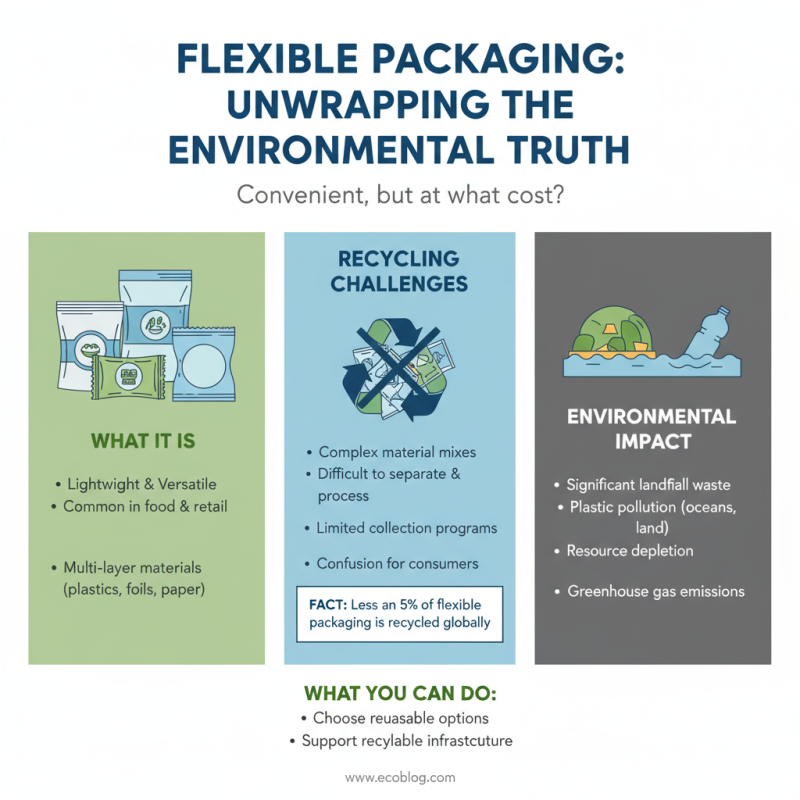
Flexible packaging is a rapidly growing sector in the packaging industry. It offers innovative solutions for storing and transporting a wide range of products. According to industry expert John Smith, “Flexible packaging allows brands to connect better with consumers while reducing environmental impact.” This highlights the significance of flexible packaging in today's market.
The versatility of flexible packaging is unmatched. It can adapt to various shapes and sizes, making it suitable for food, cosmetics, and pharmaceuticals. The materials used are often lightweight and recyclable. However, challenges remain in achieving optimal sustainability. Many brands struggle with the balance between durability and eco-friendliness, leading to ongoing discussions.
One must consider the impact of flexible packaging on consumer behavior. Eye-catching designs and convenience are essential. Yet, the industry faces criticism over excessive waste and recyclability issues. As the demand grows, it’s crucial for manufacturers to reflect on their practices and improve their processes. The future of flexible packaging depends on addressing these concerns while meeting consumer needs responsibly.
Definition of Flexible Packaging and Its Key Characteristics
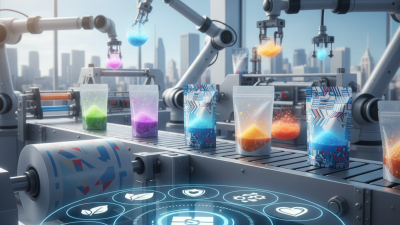
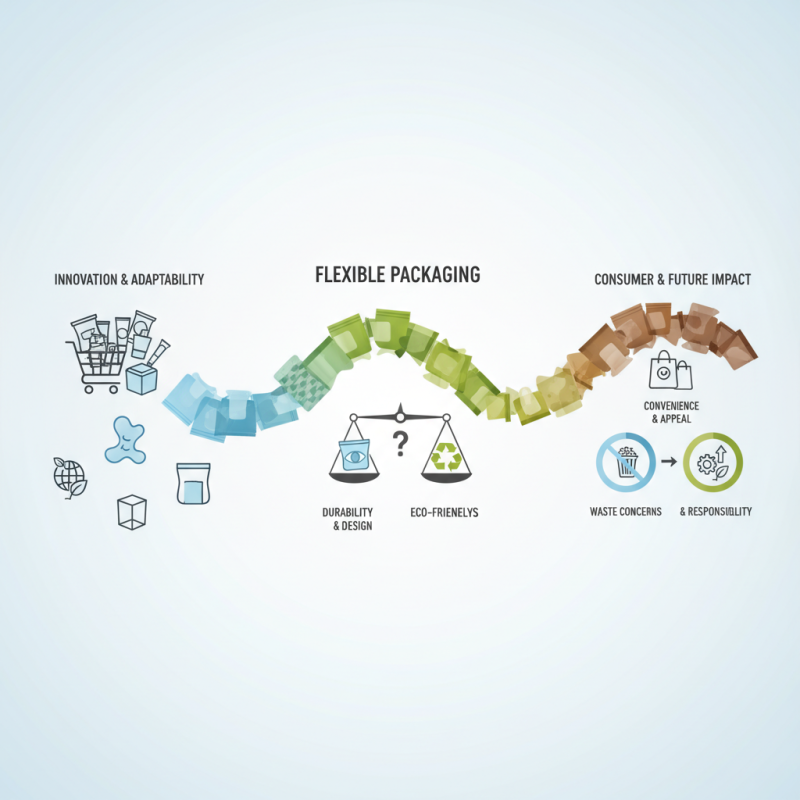
Flexible packaging refers to a type of packaging made from materials that can bend and change shape. It includes pouches, bags, and films. This form of packaging is lightweight and often more cost-effective than rigid packaging alternatives. It allows for a variety of shapes and sizes, making it suitable for numerous products. The flexibility enables brands to save space during transportation and storage.
Key characteristics of flexible packaging include its durability and ability to keep products fresh. The materials can provide barriers to moisture, light, and air. This helps preserve the quality of food items and other perishable goods. Additionally, its lightweight nature reduces energy consumption during shipping. However, it can also lead to a waste issue if not recycled properly. Not all flexible packaging is recyclable, which raises concerns about environmental impact.
Many consumers appreciate the convenience of flexible packaging. Easy-tear features and resealable options simplify usage. However, some may find it less visually appealing compared to traditional rigid containers. This can affect a brand’s image. As flexible packaging evolves, there is a growing need for sustainable practices. Finding a balance between convenience and environmental responsibility remains a challenge.
Historical Development of Flexible Packaging in Various Industries
Flexible packaging has evolved significantly through various industries. In the mid-20th century, it began gaining popularity in food production. Manufacturers sought ways to extend shelf life and reduce waste. Plastic films emerged as a game changer. These materials are lighter and more adaptable than traditional rigid packaging. This innovation allowed for easy transportation and storage.
The pharmaceutical sector also embraced flexible packaging in the 1980s. Medications needed effective barriers against moisture and light. Flexible pouches and blisters became common. This move improved product safety and user convenience. Yet, challenges arose, such as ensuring consistent quality across batches.
In recent years, sustainability concerns have prompted another shift. Industries are seeking biodegradable options. Unfortunately, not all materials meet performance needs. The balance between functionality and eco-friendliness remains a topic of debate. Creating a sustainable future in flexible packaging requires ongoing reflection and innovation.
Advantages of Flexible Packaging Over Traditional Packaging Methods
Flexible packaging has transformed the way products are presented. It offers significant benefits over traditional packaging methods, appealing to both manufacturers and consumers. Often lighter than rigid packaging, flexible options reduce shipping costs. They take up less space on shelves, maximizing retail efficiency.
The versatility of flexible materials is notable. They can be tailored to protect various products, from food to personal care items. Consumers appreciate resealable pouches and microwavable bags. These features provide convenience that traditional packaging struggles to match. Yet, limitations exist. Not all materials are recyclable, raising concerns about environmental impact.
Many manufacturers are exploring eco-friendly alternatives. This shift shows an understanding of consumer demands and global sustainability goals. However, the balance between functionality and environmental consciousness remains a challenge. As the industry evolves, constant reflection is necessary to enhance these packaging solutions. Flexibility in design must come with responsibility.
Advantages of Flexible Packaging Over Traditional Packaging Methods
Environmental Impact of Flexible Packaging and Sustainability Practices
Flexible packaging has gained attention for its lightweight and versatile qualities. However, its environmental impact requires critical examination. Often, flexible packaging is made from a mix of materials, complicating recycling efforts. Many consumers are unaware that not all flexible packaging can be recycled, leading to significant waste.
Sustainability practices in this sector are evolving. More companies are exploring compostable or biobased options. These choices can help reduce landfill contributions. The shift towards recyclable materials is crucial. It is important for manufacturers to invest in technologies that enhance recyclability. This transformation isn’t easy; it takes research and resources.
Innovations are vital but not enough. Education is key for consumers. They must understand what can be recycled and how to dispose of materials properly. A collective effort is necessary to address packaging waste holistically. As we progress, the balance between convenience and environmental responsibility must be prioritized. Stakeholders need to reflect on their practices for a sustainable future.
Future Trends and Innovations in the Flexible Packaging Sector
The flexible packaging sector is evolving rapidly. Emerging trends are reshaping how products are packaged and presented. Sustainable materials are becoming a priority. Consumers are more aware of environmental impact. They prefer recyclable or biodegradable options. Innovations are addressing these needs effectively.
New technologies are enhancing flexible packaging. Digital printing allows for customization and faster production. This shift opens doors for smaller brands to compete. But it's not just about aesthetics. Functional advancements, like barrier properties, improve product longevity. However, these innovations can increase costs. Companies must balance quality and budget.
There’s a growing focus on functionality. Smart packaging is on the rise. This includes features like QR codes for interactive experiences. While this sounds promising, implementation can be complex. Some brands struggle to adapt their processes. They must be mindful of consumer engagement. Technology is an opportunity but also a challenge in this sector.