What is Heat Shrink Wrap and How is it Used?
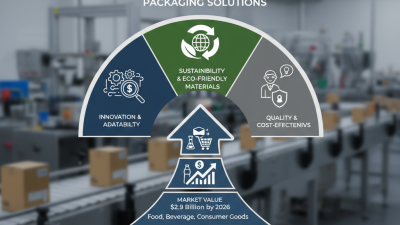
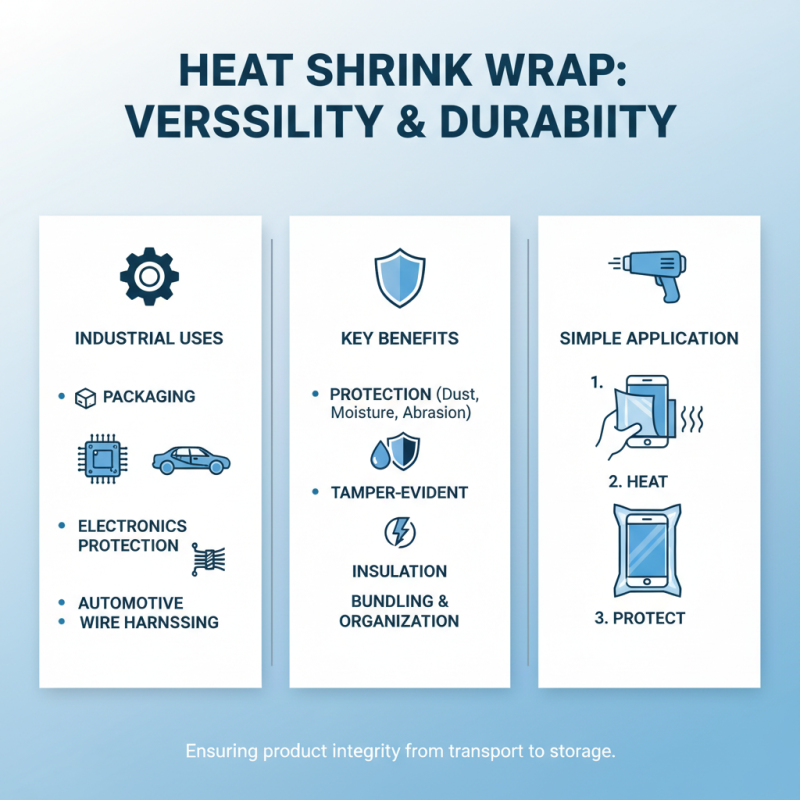
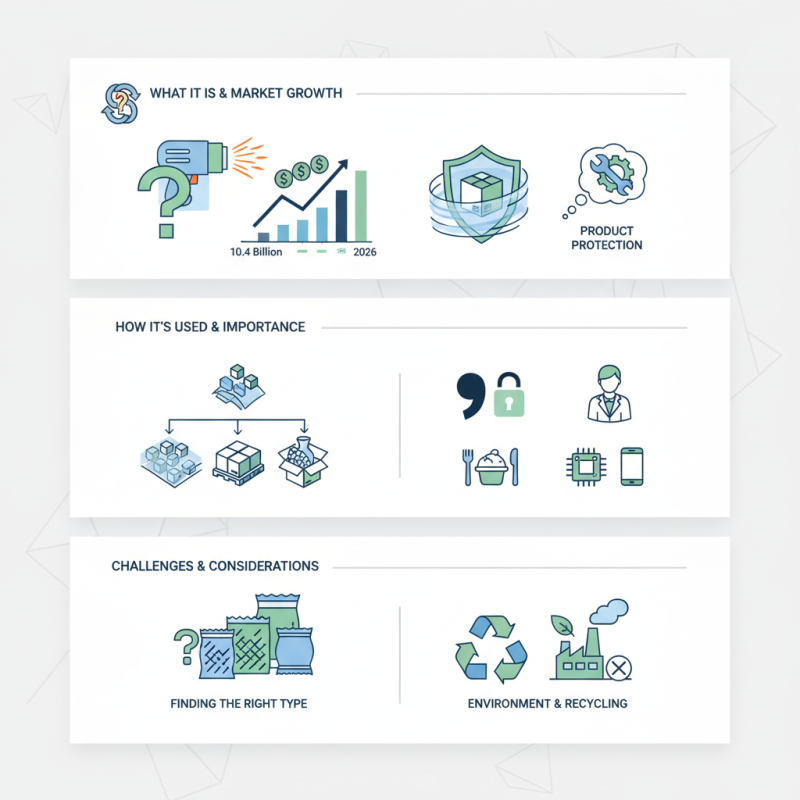
Heat Shrink Wrap is a versatile packaging material widely used across various industries. According to a report by MarketsandMarkets, the global heat shrink packaging market is projected to reach $10.4 billion by 2026. This growth highlights the increasing reliance on Heat Shrink Wrap for product protection and presentation.
Industry expert, Emily Smith, notes, "Heat Shrink Wrap is crucial for ensuring product integrity during transport." This statement underscores the importance of this material in maintaining quality and safety. From securing fragile items to bundling products together, Heat Shrink Wrap serves numerous purposes. Its application ranges from food packaging to electronics, emphasizing its versatility.
Despite its advantages, challenges exist. Finding the right type of Heat Shrink Wrap for specific products can be difficult. Moreover, issues like environmental impact and recycling of materials need consideration. Although Heat Shrink Wrap offers many benefits, consumers and industries must also reflect on these potential downsides.
What is Heat Shrink Wrap?
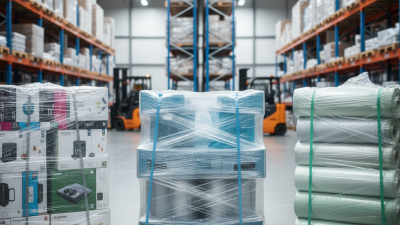
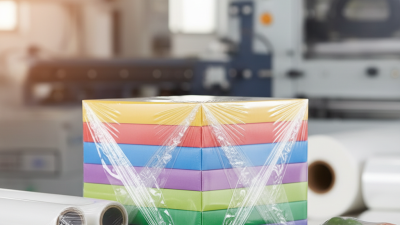
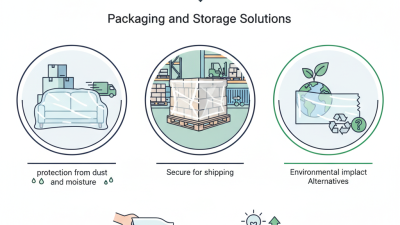
Heat shrink wrap is a versatile packaging solution used in various industries. It consists of a plastic that shrinks upon heating, creating a tight seal around products. This process enhances protection against dust, moisture, and tampering. According to a report from Smithers Pira, the global market for heat shrink wrapping was valued at over $3 billion in 2022. Its popularity is due to its efficiency and cost-effectiveness.
The application of heat shrink wrap is diverse. It is used to package food, medical supplies, and consumer goods. The food industry particularly benefits from shrink wrap, as it extends shelf life. Studies indicate that shrink-wrapped food can last up to 30% longer than traditionally packaged counterparts. This is crucial in reducing food waste. In the medical field, shrink wrap ensures hygiene and product safety, especially for sterile items.
However, the environmental impact of heat shrink wrap raises concerns. Most shrink wraps are made from polyethylene, which is not biodegradable. Efforts to recycle this material are limited. A report from the Plastics Industry Association mentioned that around 30% of plastic waste in the U.S. is not recycled effectively. This highlights the necessity for more sustainable alternatives in packaging solutions. The industry must reflect on its practices and innovate to mitigate these challenges.
Usage of Heat Shrink Wrap in Various Industries
Types of Heat Shrink Wrap Materials
Heat shrink wrap is a versatile material used for packaging, insulation, and protection. It comes in various types, each with unique properties suited for different applications. One of the most common materials is polyolefin. This type is durable, flexible, and offers excellent clarity. According to industry reports, polyolefin shrink wrap has a market share of over 30%, making it a popular choice for both industrial and consumer applications.
Another commonly used type is PVC (polyvinyl chloride). PVC shrink wrap is known for its cost-effectiveness and strong sealing capabilities. However, it is less flexible than polyolefin. Reports suggest that while PVC accounts for a smaller market segment, its affordability makes it attractive for budget-conscious projects. There are also specialty films such as nylon and polyethylene, which serve unique purposes, like heavy-duty shipping or creating tamper-evident seals.
It’s important to choose the right material based on specific needs. Not all types perform equally well under varying conditions. For instance, poor sealing may occur if the shrink temperature isn't ideal. Despite advancements, achieving perfect results with shrink wrap can be challenging. Proper training and understanding of material properties play a crucial role in successful applications.
What is Heat Shrink Wrap and How is it Used? - Types of Heat Shrink Wrap Materials
| Material Type |
Thickness (mil) |
Temperature Range (°F) |
Common Applications |
| Polyolefin |
50-100 |
-40 to 200 |
Food packaging, electronics |
| PVC |
40-80 |
-10 to 180 |
Wire insulation, bundled products |
| Polyester |
20-60 |
-70 to 250 |
Industrial packaging, outdoor use |
| Fluoropolymer |
50-200 |
-100 to 500 |
Chemical packaging, high-temperature applications |
| Nylon |
30-70 |
-40 to 180 |
Food industry, heavy-duty applications |
How to Properly Apply Heat Shrink Wrap
Applying heat shrink wrap requires precision and care. The process begins with selecting the correct wrap size. Overly tight or loose wrap can lead to poor results. According to industry reports, incorrect application can waste up to 15% of materials used. This waste often comes from improperly cut pieces that don’t adhere well after heating.
Heating tools like heat guns are essential for a proper application. Maintain a consistent distance while applying heat. Too close can burn the wrap, and too far can leave it unshrinked. Reports show that optimal temperatures for heat shrink wrap hover around 250°F to 300°F. Take your time during this phase. Rushing may cause uneven application, leading to potential product damage.
Checking for air bubbles or wrinkles is also critical. These imperfections compromise the integrity of the wrap. If you notice them, it’s better to reapply than risk the entire package. While many apply heat shrink wrap with success, mistakes often occur in practice. Over time, reflect on your technique for better outcomes. With careful application, the benefits can exceed expectations, reducing product tampering and damage significantly.
Safety Considerations When Using Heat Shrink Wrap
When working with heat shrink wrap, safety is paramount. This material is often used in various industries for insulation and protection. However, improper handling can lead to hazards. According to industry reports, about 10% of workplace accidents arise from incorrect usage of shrink wrap products.
A common safety concern is the high temperature required for shrinking. Many wraps require a heat gun or flame source to activate. Burns can occur if proper precautions are not taken. Workers should always wear heat-resistant gloves and goggles. These simple steps can significantly reduce the risk of injury.
Additionally, ventilation is important when using heat shrink wrap. Fumes released during the heating process can be harmful. A study revealed that prolonged exposure to these fumes could lead to respiratory issues. It is crucial to work in well-ventilated areas or use appropriate respiratory protection. Awareness of these factors is key, yet many users overlook them. Proper training on safe handling practices must be prioritized in workplaces to prevent accidents.