2026 How to Use Heat Shrink Wrap for Effective Packaging Solutions?
In today's dynamic packaging industry, "Heat Shrink Wrap" has become an essential tool. It offers protection and durability for various products. Using this material effectively ensures items remain safe during transit.
Heat shrink wrap comes in various sizes and colors, catering to different packaging needs. Its versatility allows it to bundle several items together securely. However, many users struggle with the proper application techniques. Missteps can lead to wasted materials and ineffective seals.
Understanding how to use heat shrink wrap effectively can enhance packaging solutions significantly. Many businesses find themselves at a crossroads, pondering whether they are utilizing this tool to its fullest potential. Observing industry best practices can reveal insights for improvement. Adopting these strategies ensures that the benefits of heat shrink wrap are maximized.
Overview of Heat Shrink Wrap and Its Benefits for Packaging
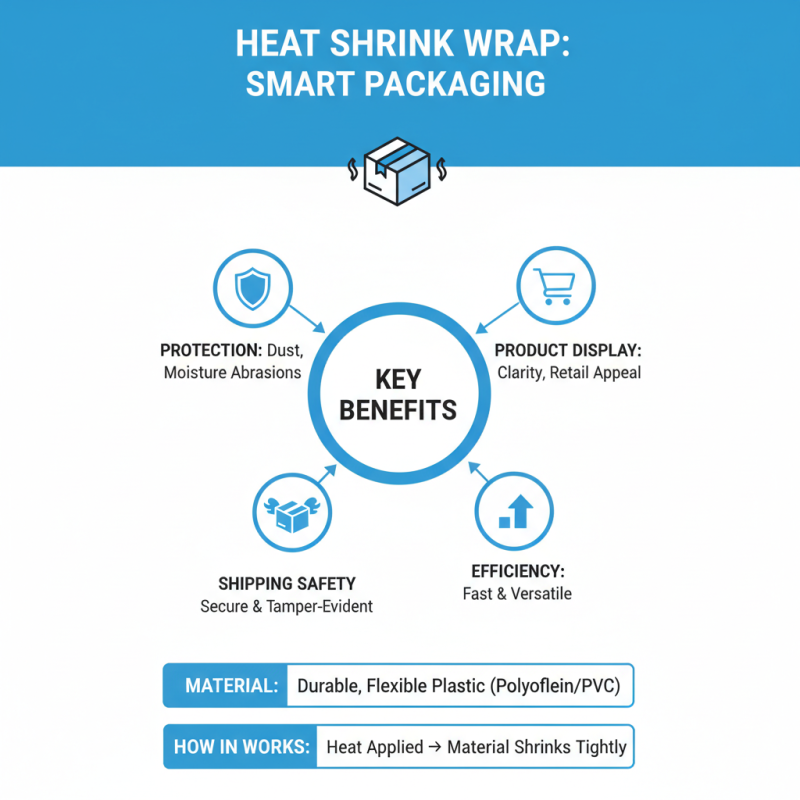
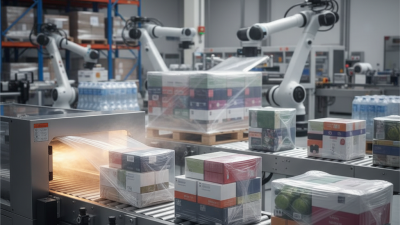
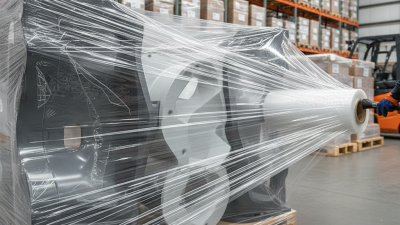
Heat shrink wrap is an efficient packaging solution widely used in various industries. This versatile material is made from plastic that shrinks tightly around an object when heated. It offers excellent protection against dust, moisture, and abrasions. The clarity of heat shrink wrap also allows for a clear display of products, making it attractive for retailers. Businesses can improve their packaging aesthetics while ensuring safety during shipping.
Using heat shrink wrap reduces tampering risks, which can enhance customer trust. The durability of the wrap ensures items remain secure while in transit. However, certain challenges exist. Not every product is suitable for shrink wrapping. The heat application must be controlled carefully; too much can damage products. Additionally, improper sealing can lead to leaks and spoilage in food items. Balancing the benefits with these potential issues is crucial for effective packaging solutions.
Types of Heat Shrink Wrap Materials and Their Applications
Heat shrink wrap comes in various materials, each with unique properties suitable for different applications. Polyolefin is the most common type, known for its clarity and durability. It is widely used in food packaging due to its excellent moisture barrier and resistance to tears. Reports suggest that using polyolefin can extend product shelf life by up to 50%. The equipment required for this wrap is generally affordable, making it accessible for small and large businesses alike.
Another significant material is PVC shrink film. While it offers superior stretchability, it is not as environmentally friendly. Many manufacturers face challenges when trying to recycle PVC. It's crucial to weigh the benefits against environmental impact. Some studies indicate that 70% of consumers prefer products packaged in eco-friendly materials, forcing companies to rethink their choices. An ongoing dilemma persists about balancing cost and sustainability effectively.
Furthermore, there is the option of cross-linked shrink film. This material provides exceptional strength under heat, ensuring a tight seal for irregularly shaped items. It is ideal for industrial products and can withstand extreme conditions. However, it tends to be more expensive, leading companies to reconsider its practical use. Balancing these factors can be complex when deciding which heat shrink wrap to implement for specific needs.
Step-by-Step Process of Applying Heat Shrink Wrap
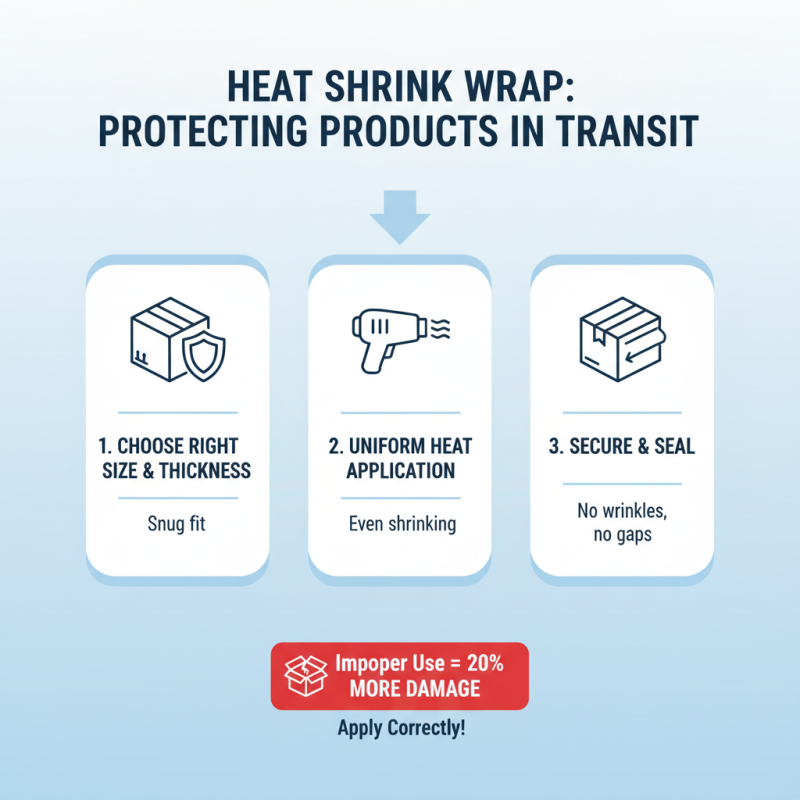
Heat shrink wrap is an effective packaging solution for diverse products. Applying this material correctly can enhance protection during transit. However, the application process requires attention to detail. Industry reports indicate that improper usage can lead to increased damage rates of up to 20%. Here’s how to do it right.
Begin by preparing the items you wish to wrap. Ensure they are clean and dry. Measure the heat shrink wrap, allowing for extra material at the ends. A common mistake is underestimating the size needed. Cut the wrap cleanly to avoid fraying.
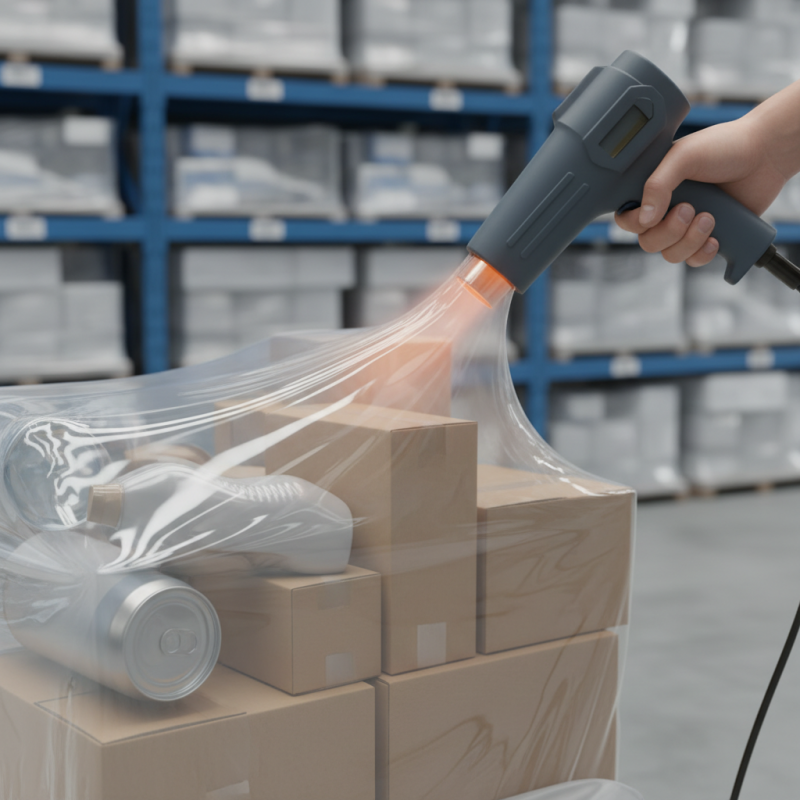
Next, place the items in the center of the wrap. Gather the wrap around the item, leaving sufficient space for the heat to circulate. A common error is wrapping too tightly, leading to wrinkling. Secure the ends with a heat-conductive tape. When applying heat, maintain a consistent distance from the heat source. Overheating can cause shrinkage issues, wasting materials.
Lastly, inspect the wrapped products. Look for areas that are not fully sealed. Industry standards suggest that 95% of shrink wraps should pass quality checks. If not, reassess the application and make necessary adjustments. Emphasizing these details can improve packaging quality and reduce product loss.
Best Practices for Achieving a Tight Seal with Heat Shrink Wrap
Heat shrink wrap is a versatile packaging solution. Achieving a tight seal is crucial for maximizing its effectiveness. According to industry reports, proper techniques can reduce product returns by up to 15%. This shows the importance of flawless application.
To ensure a tight seal, start with the right shrink film. Choose one that matches your product's dimensions. Overestimating size leads to loose seals. A snug fit allows the heat to uniformly shrink the wrap around the product. It’s often overlooked, but surface preparation matters. Clean surfaces ensure better adherence, preventing air pockets. A report from the Packaging Industry Association highlighted that improperly sealed packages had a defect rate of 20%.
Heating is another critical factor. Consistent heat application creates an even shrink. Use a calibrated heat source to avoid uneven shrinkage. Many users report issues with heat guns that lack precise control. Aiming for an optimal temperature range can prevent damage or inadequate seals. Remember to monitor your technique and adjust as needed. Continuous learning can lead to better packaging results and customer satisfaction.
Common Mistakes to Avoid When Using Heat Shrink Wrap
Heat shrink wrap is a popular choice for packaging. However, many make common mistakes while using it. These errors can lead to compromised integrity and wasted materials.
One frequent mistake is using the wrong heat setting. If the temperature is too high, the wrap can burn. If it’s too low, it won’t shrink properly. This can result in loose packaging that doesn’t protect the product. Adjust settings based on the material and thickness of the wrap. Always conduct a small test before proceeding.
Another mistake is not cutting the wrap to the correct size. Wrapping too tightly can cause tears. On the other hand, wrapping too loosely can leave gaps. Consistency in size is key. Measure twice before cutting.
Tips: Always preheat your heat gun for even shrinkage. Ensure the area is clear of debris to avoid accidents. Practice ensures better results. Keep your workspace organized to prevent mishaps.
Heat Shrink Wrap Usage Statistics