What is Packaging Film and its Importance in Modern Industries
In the rapidly evolving landscape of modern industries, "Packaging Film" has emerged as a pivotal component that ensures product integrity and enhances consumer experience. As industries strive for sustainability and efficiency, the role of packaging has become increasingly significant. According to Dr. Sarah Thompson, a leading expert in packaging technology, "The right packaging film not only protects products but also plays a crucial role in communicating brand values and sustainability efforts." This insight underscores the dual functionality of packaging films, which are designed to provide safety and promote ecological consciousness.
The significance of Packaging Film extends beyond mere protection; it embodies innovation, adaptability, and environmental responsibility. As industries pivot towards more sustainable practices, the materials and technologies used in packaging films are evolving. These advancements are essential in minimizing waste and ensuring that the packaged products meet the growing consumer demand for environmentally friendly options. In this context, understanding the importance of packaging films is vital for businesses looking to thrive in a competitive market while also contributing to a more sustainable future.
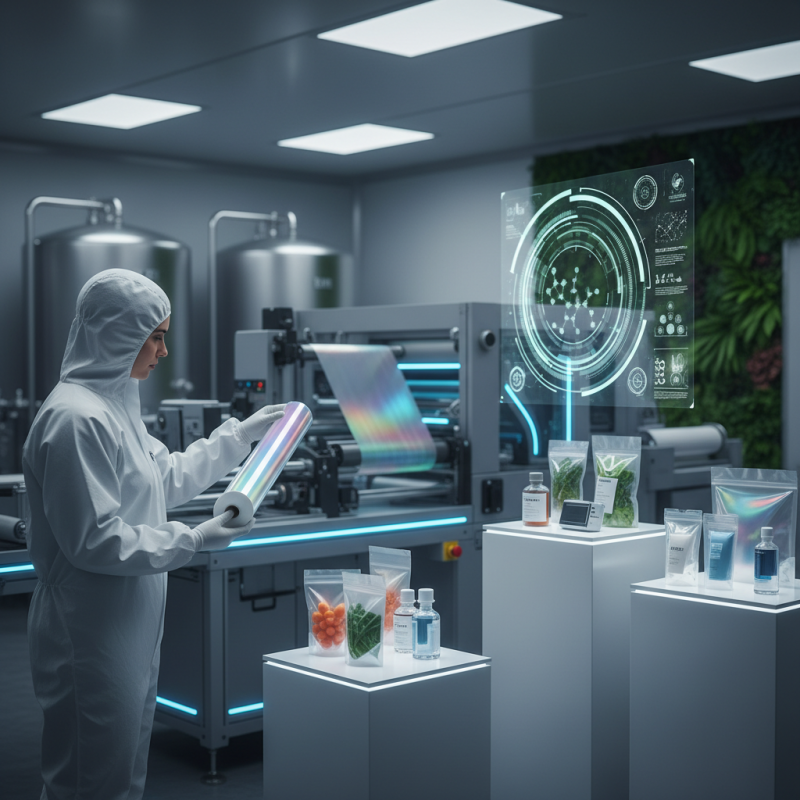
Definition and Overview of Packaging Film in Modern Industries
Packaging film is a crucial component in modern industries, serving as a protective layer for various products while enhancing their shelf life and usability. Defined as a thin plastic film used for wrapping, sealing, and preserving goods, packaging film plays a vital role across sectors such as food and beverage, pharmaceuticals, and consumer goods. According to a recent report by MarketsandMarkets, the global packaging films market is projected to grow from $102.74 billion in 2020 to $155.66 billion by 2025, representing a CAGR of 8.5%. This growth underscores the vital importance of packaging films in efficient product distribution and waste reduction.
The efficacy of packaging film is attributed to its ability to provide barrier protection against moisture, oxygen, and contaminants, which is essential for maintaining product integrity. For instance, in the food industry, using high-quality packaging films can extend the freshness of products by up to 50%, significantly reducing food waste. Furthermore, advancements in technology have led to the development of innovative materials, such as biodegradable and recyclable films, which cater to the growing demand for sustainable packaging solutions. A study by Smithers Pira estimates that the global demand for sustainable packaging is expected to reach $400 billion by 2025, illustrating how packaging films are evolving to meet environmental standards while still meeting industry needs.
Types of Packaging Film and Their Specific Applications
Packaging films are essential components in various industries, primarily designed to protect and preserve products while enhancing their shelf appeal. There are several types of packaging films, each tailored to meet specific application needs across sectors such as food, pharmaceuticals, and consumer goods.
One common type is polyethylene film, widely used for food packaging due to its excellent moisture barrier properties. It keeps perishable items fresh and safe from contamination, making it a go-to choice for supermarkets and food processors. Another popular option is biaxially oriented polypropylene (BOPP) film, known for its clarity and strength. BOPP is frequently employed in packaging snacks, candies, and other dry goods, allowing consumers to see the product while ensuring durability during transportation.
In the pharmaceutical industry, PVC (polyvinyl chloride) films are prevalent for blister packaging, as they provide a secure and sterile environment for medications. These films can be tailored to include specific barrier properties against light and oxygen, which is crucial for extending the shelf life of sensitive drugs. Additionally, biodegradable films are gaining traction as sustainable alternatives, appealing to environmentally conscious consumers seeking eco-friendly packaging solutions. Each type of film thus plays a crucial role in enhancing product safety, longevity, and environmental impact.
Key Properties and Benefits of Using Packaging Film
Packaging film plays a crucial role in modern industries, primarily due to its versatile properties and numerous benefits. One of the key properties of packaging film is its ability to provide excellent barrier protection against moisture, oxygen, and light. This is essential for preserving the freshness and quality of food products, thereby reducing spoilage and extending shelf life. Packaging films can also be engineered for specific applications, including heat resistance and flexibility, catering to various industrial needs.
Moreover, the benefits of using packaging film extend beyond product protection. The lightweight nature of packaging films contributes to lower shipping costs and reduced carbon footprint during transportation. Additionally, these films are often customizable in terms of design and branding, allowing businesses to enhance their product presentation and market appeal. The recyclability of many packaging films also aligns with the growing emphasis on sustainability in industries, making them a preferred choice for environmentally-conscious companies aiming to reduce waste.
Importance of Packaging Film in Modern Industries
The Role of Packaging Film in Sustainability and Eco-Friendly Practices
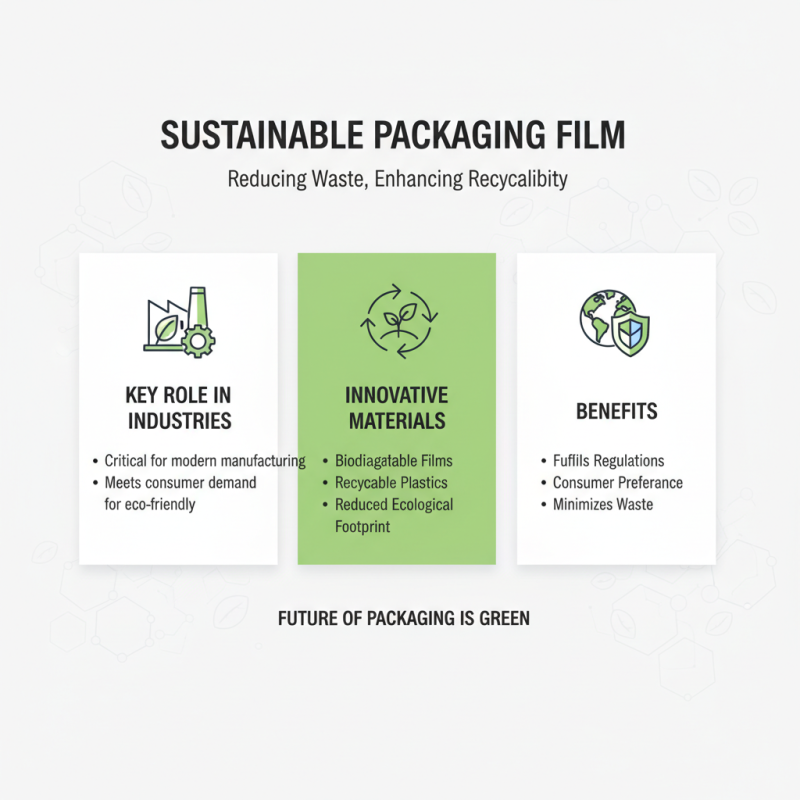
Packaging film plays a critical role in modern industries, especially in promoting sustainability and eco-friendly practices. As consumers become increasingly aware of environmental issues, the demand for packaging solutions that minimize waste and enhance recyclability has surged. Innovative materials such as biodegradable films and recyclable plastics are at the forefront of this shift, effectively reducing the ecological footprint of packaging. These advancements not only fulfill regulatory requirements but also cater to the growing consumer preference for sustainable products.
Moreover, packaging film is essential in extending the shelf life of products, which contributes significantly to reducing food waste. By utilizing breathable films that allow for moisture control, businesses can ensure that perishable items remain fresh for longer periods. This not only helps in minimizing waste but also supports responsible consumption. The integration of eco-conscious materials and technologies in the packaging industry reflects a collective commitment to sustainability, encouraging manufacturers to rethink their production processes and adopt practices that align with global environmental goals.
Future Trends and Innovations in Packaging Film Technology
The packaging film industry is on the cusp of transformation, driven by technological advancements and evolving consumer demands. Recent reports from industry research suggest that the global packaging films market is projected to reach over $300 billion by 2027, growing at a CAGR of approximately 4.6% from 2021 to 2027. This growth is largely attributed to innovations in material science and sustainability, as manufacturers increasingly prioritize eco-friendly solutions in their product offerings. Companies are exploring biodegradable films and recyclable materials that reduce environmental impact while maintaining performance and efficiency.
Moreover, recent trends indicate a significant shift towards smart packaging films that enhance functionality beyond traditional uses. Innovations such as active packaging, which incorporates additives to extend shelf life, and intelligent packaging systems with embedded sensors to monitor freshness, are becoming more prevalent. According to the Flexible Packaging Association, the smart packaging market is anticipated to grow by 19.5% annually, providing businesses with enhanced capabilities to meet consumer expectations for quality and transparency. As industries adapt to these emerging technologies, the role of packaging film will evolve, highlighting its importance as a driver of operational efficiency and product sustainability in the modern marketplace.
What is Packaging Film and its Importance in Modern Industries - Future Trends and Innovations in Packaging Film Technology
| Dimension |
Data |
| Type of Packaging Film |
Flexible, Rigid, Shrink, Stretch, Vacuum |
| Common Materials Used |
Polyethylene, Polypropylene, PVC, Polyester, Bioplastics |
| Key Industries Utilizing Packaging Films |
Food & Beverage, Consumer Goods, Pharmaceuticals, Electronics |
| Trends in Packaging Film Technology |
Sustainable Materials, Smart Packaging, Enhanced Barrier Properties |
| Future Innovations |
Nano-coatings, Active Packaging, Edible Films |
| Environmental Impact |
Reduction in Waste, Recyclability, Use of Renewable Resources |
| Market Growth Rate (2023-2028) |
Estimated CAGR of 4.5% |