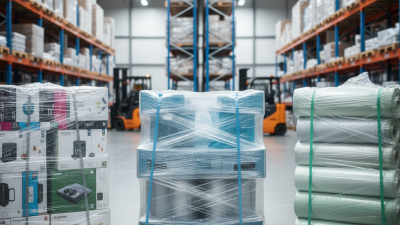
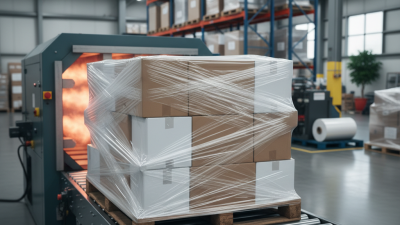
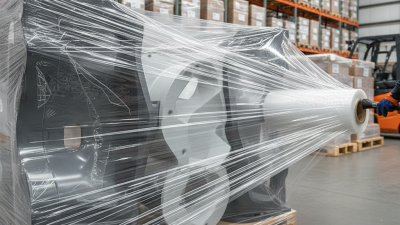
What is Packaging Wrap and How is it Used in Various Industries?
In the ever-evolving world of logistics and manufacturing, "Packaging Wrap" plays a crucial role. Paul Anderson, a prominent expert in the packaging industry, once said, “Packaging Wrap is the unsung hero of product protection.” His insight highlights the significance of this material.
Packaging Wrap is used extensively across various industries, ensuring products remain intact during transportation. This material provides a layer of cushioning and protection, reducing damage rates. However, it’s essential to reflect on the environmental impact. Many wraps are made from non-biodegradable plastics, raising concerns about sustainability.
As industries strive for innovation, challenges remain. There’s a need for better, eco-friendly alternatives. Some companies have started producing recyclable or biodegradable options. Yet, widespread adoption is still a work in progress. Balancing efficiency with sustainability is the ongoing challenge in the Packaging Wrap sector.
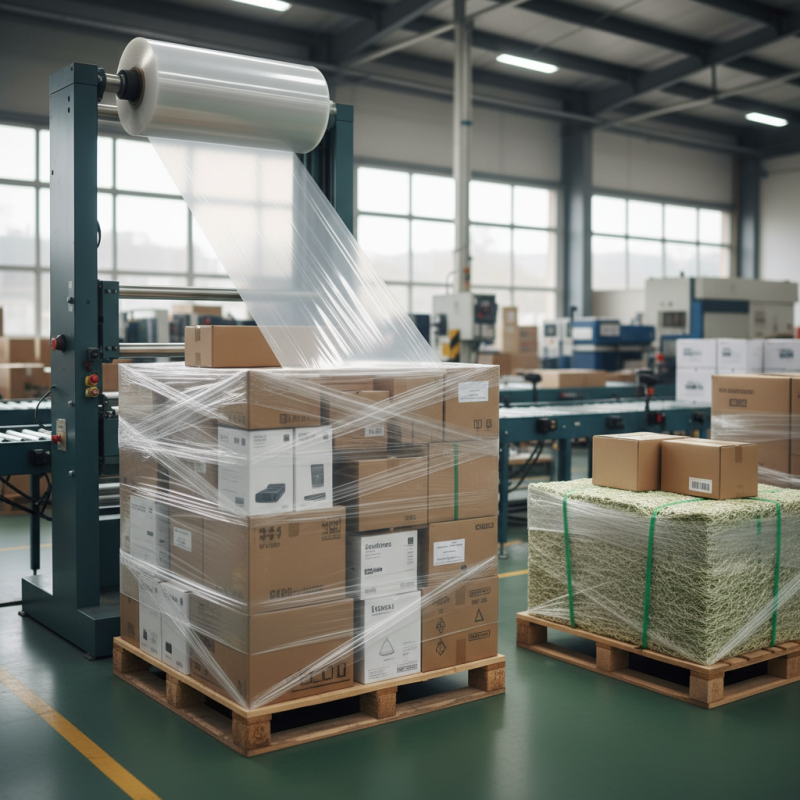
What is Packaging Wrap? An Overview of Its Definition and Types
Packaging wrap is a material commonly used to protect products during storage and transportation. It is available in various forms, such as plastic film, bubble wrap, and paper wraps. Each type serves a unique purpose depending on the industry and product requirements. For instance, food packaging often utilizes plastic wraps to maintain freshness, while fragile items may require bubble wrap for added cushioning.
The versatility of packaging wrap
allows it to be employed in multiple sectors. In the retail industry, clear plastic films are popular for bundling items together or creating tamper-evident seals. In manufacturing, thick paper wraps might be preferred for heavy machinery parts, providing strength and security.
However, there are challenges.
Not all wraps are recyclable, leading to waste issues. Some materials may not provide adequate protection if not applied correctly. Clear communication about wrap types and their appropriate uses is crucial to minimize these risks, ensuring that products arrive in optimal condition.
Key Materials Used in Packaging Wrap: Plastic, Paper, and Biodegradable Options
Packaging wrap serves various functions across multiple industries. Its primary role is to protect products during transport and storage. Key materials used in packaging wrap include plastic, paper, and biodegradable options. Each material has unique properties that cater to different needs.
Plastic wrap is common in food and retail industries. It clings tightly to surfaces, keeping items fresh. However, its environmental impact raises concerns. Many consumers are questioning the long-term effects of plastic waste. Paper wrap, on the other hand, offers a more sustainable choice. It is biodegradable and recyclable, making it appealing to environmentally-conscious brands. Yet, paper may not always provide the same level of moisture protection.
Biodegradable options are gaining traction. They break down naturally, reducing landfill waste. Though promising, they often cost more than traditional materials. This creates a dilemma for businesses balancing budget and sustainability. The choice of packaging material is crucial, influencing both product safety and environmental responsibility. Each option has benefits and drawbacks, leading to ongoing discussions within the industry.
How Industries Utilize Packaging Wrap: A Look at Food and Beverage Sector
In the food and beverage sector, packaging wrap plays a vital role. It ensures products stay fresh and safe. Different materials, like plastic and foil, are commonly used. These materials help to maintain the flavor and quality of food items. Proper wrapping can extend shelf life and prevent contamination.
One effective tip for using packaging wrap is to ensure a tight seal. An air-tight seal keeps moisture out, preventing spoilage. Another tip is to choose the right thickness. Thicker wraps offer more protection, while thinner wraps can reduce waste. It’s essential to consider the type of food being packaged. For example, raw meat may require specialized wrap to prevent leaks.
However, there are challenges. Some wraps are not eco-friendly, raising concerns. This aspect can affect consumer choices. Companies need to balance protection and environmental impact. Reflecting on packaging choices is crucial. Making mindful decisions can benefit both the product and the planet.
What is Packaging Wrap and How is it Used in Various Industries?
| Industry |
Type of Packaging Wrap |
Primary Use |
Benefits |
| Food and Beverage |
Plastic Wrap |
Food preservation and freshness |
Moisture barrier, extends shelf life |
| Pharmaceuticals |
Blister Packs |
Medication packaging |
Tamper-proof, dosage control |
| E-commerce |
Bubble Wrap |
Protective shipping |
Impact resistance, lightweight |
| Cosmetics |
Shrink Film |
Product packaging |
Enhanced presentation, protection |
| Retail |
Stretch Film |
Pallet wrapping |
Stability, load protection |
The Role of Packaging Wrap in E-Commerce and Retail Distribution Systems
Packaging wrap plays a crucial role in e-commerce and retail distribution systems. It protects products during transit, reducing damage. Research indicates that around 30% of all online purchases face delivery damages. Effective packaging reduces this significantly. By using high-quality wraps, companies enhance customer satisfaction.
In the retail space, packaging wrap is essential for inventory management. It allows for efficient stacking and organization on shelves. Approximately 15% of retail space is wasted due to poor packaging. This inefficiency can be costly. Retailers need to evaluate their packaging strategies regularly. A thoughtful approach can lead to improved sales and customer loyalty.
E-commerce relies on packaging wrap to build brand identity. Sustainable options are gaining traction. According to recent studies, 60% of consumers prefer eco-friendly packaging. Brands that invest in packaging wrap can differentiate themselves. However, not all companies are adapting quickly. The industry must reflect on its practices to meet changing consumer expectations.