What is Plastic Shrink Wrap and How is it Used?
In today’s packaging industry, "Plastic Shrink Wrap" plays a crucial role. It offers flexibility, strength, and protection. Michael Johnson, a renowned packaging expert, once stated, “Plastic Shrink Wrap is a game-changer for ensuring product safety and integrity.”
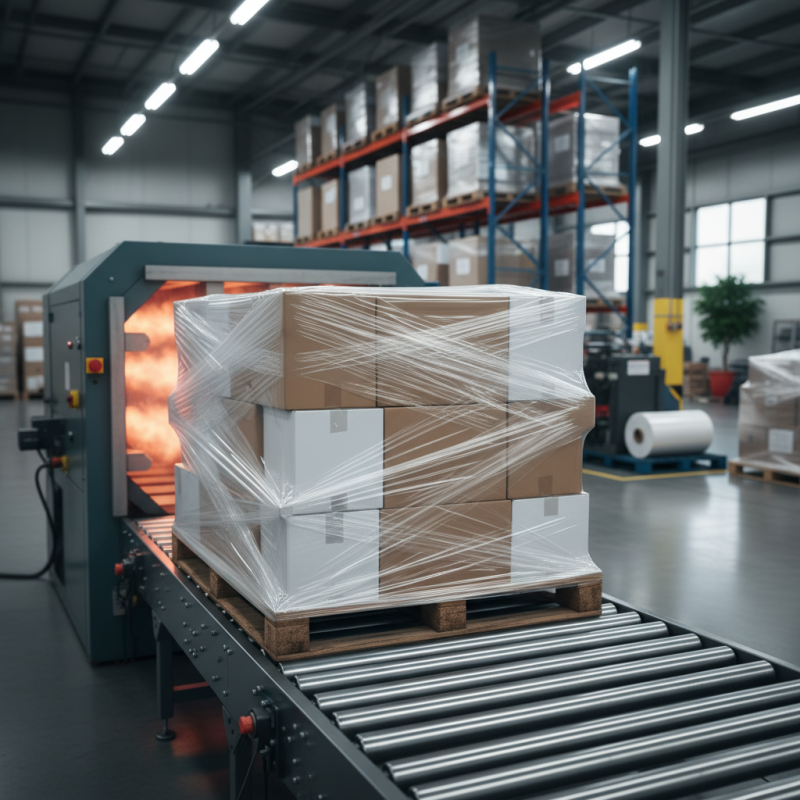
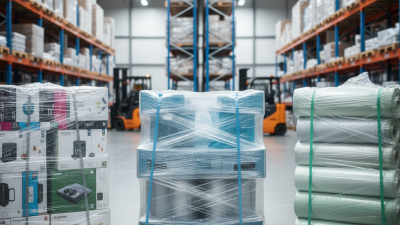
This versatile material is widely used across various sectors. It secures items for transportation and storage. When heat is applied, the wrap shrinks tightly around the products. This process enhances stability and prevents damage.
However, challenges remain. Sustainability is a growing concern, as most shrink wrap is made from non-biodegradable plastic. Industries are now exploring eco-friendly alternatives. While efficiency is celebrated, the environmental impact is hard to ignore. Balancing these aspects is essential for the future of packaging.
What is Plastic Shrink Wrap?
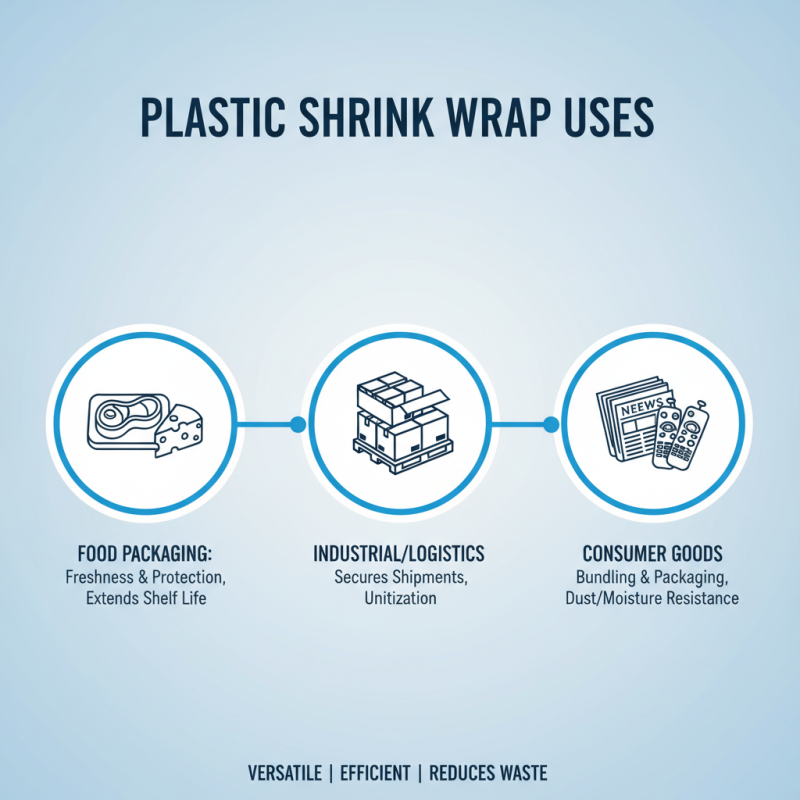
Plastic shrink wrap is a versatile packaging material made from thin polyethylene film. It shrinks tightly around objects when heat is applied, creating a secure layer. This wrap is commonly used for bundling products, protecting items during transport, and maintaining freshness in food packaging.
When applied, the film tightly conforms to the shape of the item inside. It provides a clear view, allowing consumers to see the product without unwrapping it. However, the process can be tricky. If the heat is too high, the wrap may melt or lose its effectiveness. This leads to wasted materials and damaged goods.
Storage is another consideration. Shrink wrap takes up little space when not in use, but it can become tangled or creased easily. Ensuring the wrap is stored correctly can help prevent these issues. It's essential to reflect on how packaging materials impact the environment. While convenient, many shrink wraps are not biodegradable. Customers may need to consider eco-friendly alternatives as part of responsible usage.
Types of Plastic Shrink Wrap Materials
Plastic shrink wrap is commonly used for packaging and protecting goods. Different types of materials are available for various needs. A popular choice is polyolefin. This material is versatile and can shrink with heat. It's clear and durable, making it ideal for many products.
Another type is PVC shrink wrap. It offers excellent clarity but has limitations on temperature. This can affect its application in certain environments. While affordable, it may not be the best for long-term storage. Users need to be aware of its properties when choosing.
Then there’s polyethylene shrink wrap. It's thicker and often used for larger items. It provides more protection but can be challenging to work with. Users may find it difficult to attain a smooth finish. These different types highlight the importance of selecting the right material for specific packaging needs. Choosing poorly can lead to wasted resources and dissatisfied customers.
Plastic Shrink Wrap Material Types and Their Usage
The Shrink Wrapping Process Explained
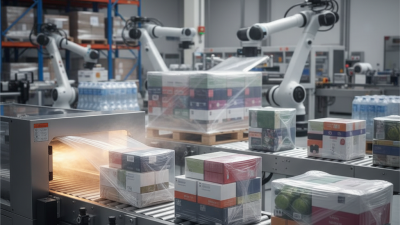
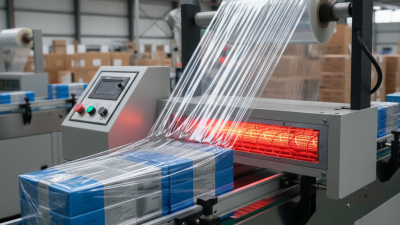
Shrink wrapping is a common packaging technique that offers durability and protection. The process begins with a roll of plastic film, typically made from polyethylene or PVC. This film is wrapped tightly around items, creating a secure barrier. Heat is then applied, causing the film to shrink and conform to the object's shape. This method is widely used in various industries, from food packaging to electronics.
According to a report from Smithers Pira, the global shrink film market is projected to reach approximately $10 billion by 2025. This growth highlights the demand for efficient packaging solutions. The shrink wrapping process not only preserves products but also enhances their presentation. The clarity of the plastic allows consumers to see the items inside, which can boost sales.
Yet, challenges exist in the shrink wrapping process. Improper seal settings can lead to leaks or damage. Additionally, varying shapes and sizes of products can complicate the wrapping efficiency. Each item may require adjustments in heat and tension. These factors necessitate regular quality checks to ensure optimal performance. Balancing efficiency with thoroughness remains a crucial aspect for many manufacturers.
What is Plastic Shrink Wrap and How is it Used? - The Shrink Wrapping Process Explained
| Application |
Material Type |
Advantages |
Shrink Temperature |
Thickness Range |
| Food Packaging |
PVC or POF |
Moisture Barrier, Tamper-Evident |
250°F - 300°F |
60 to 100 microns |
| Industrial Packaging |
LDPE |
Durable, Cost-Effective |
300°F - 400°F |
75 to 150 microns |
| Retail Display |
Polyolefin (POF) |
Clear Visibility, Excellent Sealing |
250°F - 290°F |
40 to 100 microns |
| Artwork Protection |
PVC |
UV Protection, Non-Toxic |
200°F - 280°F |
30 to 80 microns |
Benefits and Limitations of Using Plastic Shrink Wrap
Plastic shrink wrap is a versatile packaging material. It tightly conforms to objects when heat is applied. This makes it ideal for protecting various types of items, from food to equipment.
One major benefit of using plastic shrink wrap is its ability to provide a secure barrier against moisture and contaminants. It keeps products fresh and safe during storage and transport. However, it can be challenging to recycle. Not all facilities accept it. It’s essential to consider this aspect when choosing shrink wrap for your packaging needs.
Tips for using plastic shrink wrap effectively: always ensure that the item is clean and dry before wrapping. This maximizes the seal and allows for better protection. Additionally, when using heat, be cautious. Overheating can cause damage or burning. It’s also worth noting that shrink wrap can be difficult to manipulate on uneven surfaces.
While plastic shrink wrap offers many advantages, its reliance on heat can be a limitation. Some users may find it cumbersome if the application process is not straightforward. Reflecting on ease of use is crucial in deciding if it’s the right choice for your needs.