What is Polyolefin Shrink Wrap and How is it Used?
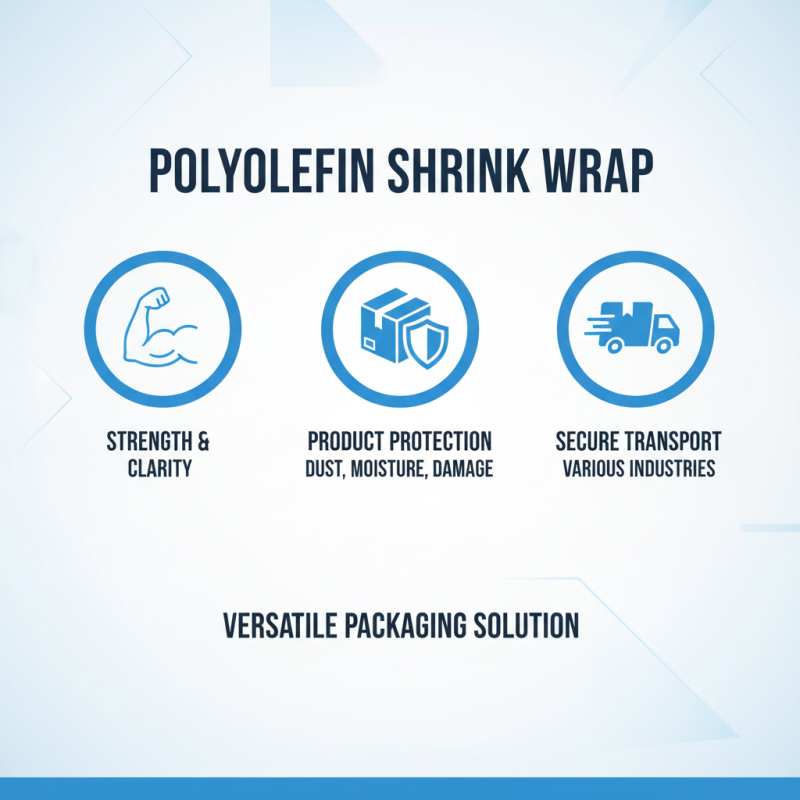
Polyolefin Shrink Wrap is a versatile packaging solution widely used across various industries. With its excellent clarity and durability, it offers superior protection for products. Industry expert John Smith once stated, “Polyolefin Shrink Wrap is essential for maintaining product integrity in a dynamic market.” This statement reflects the growing reliance on this material.
Many businesses choose Polyolefin Shrink Wrap for its adaptability and performance. The film shrinks tightly when heat is applied, ensuring a snug fit around products. This creates a barrier against moisture and dust, preserving product quality. However, not all manufacturers fully understand its benefits. Some still resort to outdated methods that might not provide the same level of protection.
Understanding Polyolefin Shrink Wrap is crucial for modern packaging needs. While its advantages are clear, there are challenges too. Issues like improper application can lead to product damage. Companies must be cautious and learn how to use this film effectively. This balance of knowledge and practice is key in achieving optimal results.
What is Polyolefin Shrink Wrap?
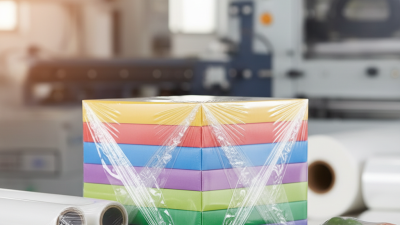
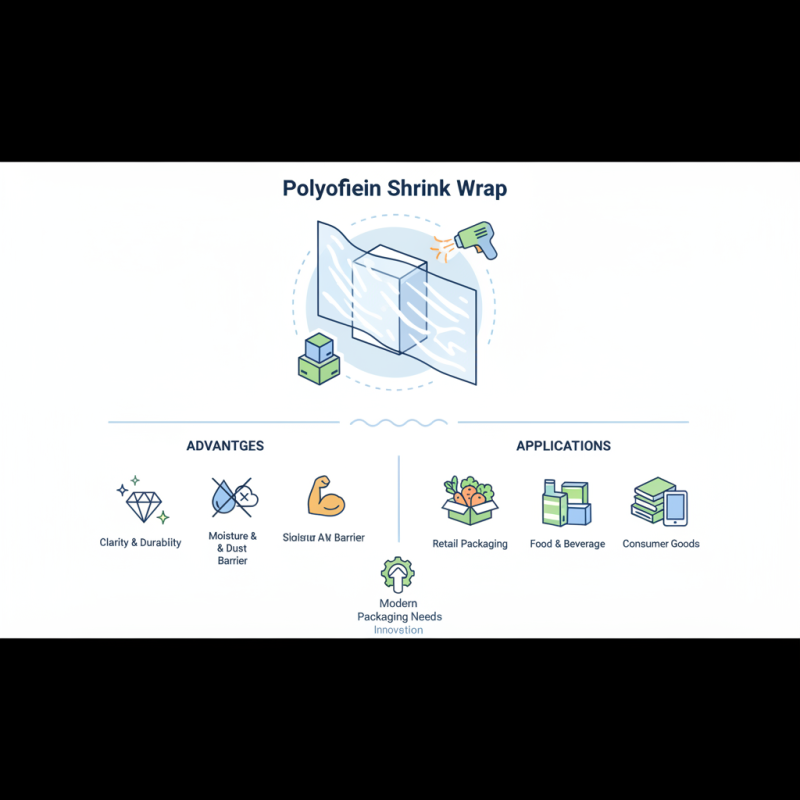
Polyolefin shrink wrap is a versatile packaging material made from polyolefin polymers. It is known for its strength and durability. This wrap shrinks tightly when heat is applied, providing a snug fit around various products. It is often used in industries such as food, retail, and manufacturing for packaging purposes. The clarity of polyolefin films also enhances product visibility, which can be quite appealing to consumers.
The most notable feature of polyolefin shrink wrap is its ability to conform to irregular shapes. This makes it ideal for bundling items of various sizes. Unlike traditional plastic wraps, polyolefin offers superior puncture resistance and seals more effectively. It can withstand temperature variations, making it suitable for different environments. However, some may find it challenging to work with on a larger scale, especially when precise application is needed.
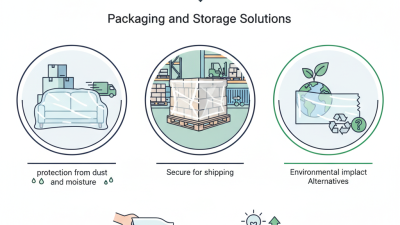
In practical use, polyolefin shrink wrap is often chosen for protecting products from dust and moisture. The material is also acknowledged for its recyclable properties, contributing to more sustainable practices. Despite its advantages, some users might struggle with the initial investment in heating equipment. As the industry evolves, ongoing feedback will continue to shape the best uses for this material.
What is Polyolefin Shrink Wrap and How is it Used?
| Property |
Description |
| Material |
Polyethylene (PE) or Polypropylene (PP) |
| Shrink Temperature |
Typically between 250°F and 350°F (121°C - 177°C) |
| Thickness |
Ranges from 30 to 100 microns |
| Applications |
Packaging food items, electronics, and retail products |
| Benefits |
Durability, clarity, resistance to UV light, and versatility |
| Types |
Centerfold, Single Wound, and Pre-Cut Bags |
| Environmental Impact |
Recyclable but not biodegradable |
Key Characteristics of Polyolefin Shrink Wrap
Polyolefin shrink wrap is widely recognized for its versatility and durability. It is made from polyolefin, a type of plastic known for its strong properties. One key characteristic is its excellent clarity, allowing labels and branding to show through easily. This makes it ideal for product packaging. Additionally, it provides a tight, secure fit around items, ensuring they remain protected during storage or transportation.
Another important aspect of polyolefin shrink wrap is its resistance to punctures and tears. This durability helps protect contents from external elements. It's also heat-sensitive, shrinking tightly when heated. Yet, this characteristic can be a double-edged sword. Improper heating might lead to inadequate shrinkage or even damage to products. Users should be cautious and perform tests to achieve the best results.
Moreover, polyolefin is often considered more environmentally friendly compared to other plastics. It can be recycled in certain systems. However, recycling options may vary by location. This can lead to confusion for businesses looking to promote sustainability. Understanding these nuances becomes essential for effective use in various applications. Striking the right balance between protection and environmental impact is a challenge that needs reflection.
Common Applications of Polyolefin Shrink Wrap
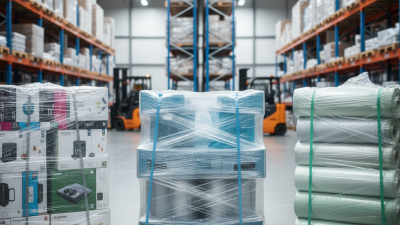
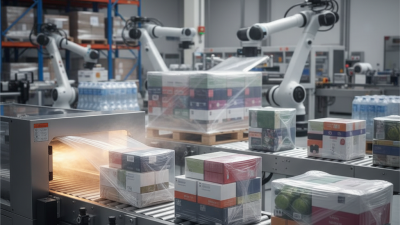
Polyolefin shrink wrap is a versatile packaging solution. Its strength and clarity make it popular in various industries. It is ideal for protecting items from dust, moisture, and damage. Many businesses use this material for packaging products, ensuring they remain secure during transportation.
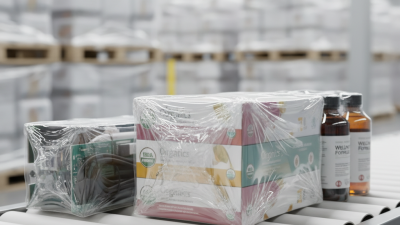
Common applications of polyolefin shrink wrap include food packaging, electronics, and retail products. In the food industry, it keeps items fresh and visible. For electronics, it safeguards components from environmental harm. Retail products benefit from the wrap's attractive appearance and tamper-evident qualities.
Tips: Always choose the right gauge of shrink wrap for your products. Thicker wraps provide more protection but can be more difficult to work with. Additionally, heat settings on shrink wrap machines are crucial. If set too high, the wrap may melt or become damaged. Measure your items carefully before cutting, as mistakes can lead to waste. Consider using this wrap for creating custom kits, which can enhance presentation and appeal.
Benefits of Using Polyolefin Shrink Wrap
Polyolefin shrink wrap is a versatile packaging material. It offers significant benefits for various industries, especially in food and retail. According to recent industry reports, the global shrink wrap market is projected to grow by 5.5% annually. Many businesses favor polyolefin wrap due to its durability and flexibility. These wraps can withstand high temperatures, making them ideal for heat sealing.
One major benefit is its clarity. Polyolefin wrap allows visibility of products while providing excellent protection. This clear feature enhances product appeal on store shelves. Additionally, polyolefin is resistant to moisture and chemicals. This characteristic is vital for preserving the integrity of what it encases. According to packaging research, 30% of food waste occurs from inadequate packaging. Polyolefin shrink wrap helps minimize this issue.
Despite its advantages, there are challenges to consider. Some polyolefin products may not be recyclable. This concern raises questions about environmental impact. Businesses must assess their packaging choices carefully. Balancing product protection with sustainability is crucial. The industry is evolving, and alternative materials are emerging. Solutions are needed to meet changing consumer demands while ensuring quality.
Benefits of Using Polyolefin Shrink Wrap
Comparison with Other Types of Shrink Wrap
When it comes to shrink wrap, polyolefin is popular due to its versatility. It offers excellent clarity and strength, making it a favorite for retail packaging. Unlike PVC shrink wrap, polyolefin has better heat resistance. This means it can handle higher temperatures, which is essential during the shrinking process. Polyolefin is also considered more environmentally friendly, as it is free from harmful chemicals found in other types.
Another common shrink wrap is polyethylene. It is thicker and often used for larger items. However, polyethylene is less clear than polyolefin. This can affect the presentation of the product. For example, a shiny polyolefin wrap can enhance the visual appeal of a gift. In contrast, polyethylene might not provide the same impact.
Each type of shrink wrap has its strengths and weaknesses. Polyolefin may be best for smaller, high-value items. It’s lightweight and provides a professional finish. However, it may not be suitable for all packaging needs. Users often face decisions that involve trade-offs. An ideal shrink wrap for one application might not meet the needs for another. It's essential to reflect on these choices when selecting a shrink wrap type.