Top Packing Materials for 2025: What to Choose for Safe Shipping?
In the ever-evolving world of logistics and shipping, the choice of packing material has become more critical than ever. As we approach 2025, businesses and individuals alike are searching for innovative and sustainable solutions to ensure their products arrive safely at their destinations. The right packing material not only protects goods from damage during transit but also plays a pivotal role in minimizing environmental impact, reflecting the growing demand for eco-friendly practices in the shipping industry.
Selecting the appropriate packing material involves considering various factors, including the type of product being shipped, the distance it will travel, and the environmental implications of the materials used. With advancements in technology and a shift towards sustainability, multiple options are emerging on the market, from biodegradable alternatives to highly durable protective solutions. This outline will explore some of the top packing materials anticipated for 2025, helping businesses make informed decisions that align with their shipping needs while supporting a greener future. By prioritizing the right packing material, shippers can not only safeguard their products but also contribute towards responsible consumption and waste reduction.

Top Trends in Packing Materials for 2025
As we look towards 2025, the landscape of packing materials is evolving to meet the growing demands for sustainability, efficiency, and safety in shipping. One major trend is the shift towards eco-friendly packaging solutions, driven by consumer preferences and regulatory pressures. Materials like biodegradable plastics, recycled paper, and plant-based composites are becoming increasingly popular. These options not only reduce environmental impact but also cater to the rising demand for sustainable practices in supply chains. Companies are focusing on life-cycle assessments to ensure their materials are not just effective in protection but also responsible in their production and disposal.
Another notable trend is the incorporation of smart technology into packing materials. With the rise of IoT (Internet of Things), packing materials are now being designed to include sensors and RFID tags that can monitor conditions during transit. This innovation helps in tracking temperature, humidity, and exposure to shocks, ensuring that the contents remain safe and intact. Furthermore, the use of customizable packaging solutions is increasing, allowing businesses to streamline their operations while enhancing the unboxing experience for customers. These advancements in packing materials not only improve safety during shipping but also align with modern consumer expectations for transparency and innovation in the product delivery process.
Eco-Friendly Options for Sustainable Shipping
As we look ahead to 2025, the importance of sustainable shipping practices continues to grow. Eco-friendly packing materials not only minimize environmental impact but also appeal to consumers who prioritize sustainability. One popular option is biodegradable packing peanuts, made from natural starches that dissolve in water, leaving no harmful waste behind. These packing peanuts provide cushioning for fragile items while ensuring that they won’t contribute to landfill problems, unlike traditional foam alternatives.
Another promising choice is recycled cardboard, which is gaining traction for its versatility and ease of use. Using corrugated boxes made from post-consumer waste reduces energy consumption and greenhouse gas emissions associated with manufacturing new materials. Additionally, plant-based cushioning materials are being developed, which are lightweight and efficient while being completely compostable. These options highlight the shift towards a more responsible approach in the shipping industry, encouraging both businesses and consumers to support eco-friendly practices that protect our planet.
Innovations in Protective Packaging Technologies
The landscape of protective packaging technologies is rapidly evolving, driven by both environmental concerns and the need for enhanced safety during shipping. As e-commerce continues to surge, with a projected growth of 14.3% annually through 2025, the demand for innovative packaging solutions has never been greater. According to a report by Freedonia Group, the protective packaging market is expected to reach $38.8 billion by 2026, highlighting a significant shift towards materials that not only secure products but also reduce environmental impact.
One notable trend in protective packaging is the increasing use of biodegradable materials. Research shows that over 70% of consumers prefer products packaged in eco-friendly materials, prompting companies to invest in innovations such as mushroom-based packaging and plant-derived polymers. Furthermore, the integration of smart technology into packaging, including sensors that monitor temperature and humidity, is revolutionizing the shipping process. These advancements help reduce damage rates, which, according to the International Institute of Packaging, can reach up to 30% in traditional shipping methods. Adopting these cutting-edge technologies not only improves product safety but also enhances customer satisfaction, making them essential for businesses aiming to thrive in the competitive market of 2025.
Cost-Effective Solutions for Small Businesses
In the evolving landscape of small businesses, selecting the right packing materials can significantly impact cost efficiency and product safety during shipping. As we approach 2025, it's essential to explore various cost-effective solutions that cater specifically to smaller enterprises. Eco-friendly packaging options like biodegradable bubble wrap or recycled paper not only appeal to environmentally conscious consumers but also often come at a lower price point compared to traditional materials. Embracing sustainable practices can enhance your brand image while keeping expenses in check.
**Tips:** When considering packing materials, prioritize durability to ensure your products arrive safely. Invest in quality, cost-effective cushioning that can reduce the likelihood of damages during transit. Additionally, bulk purchasing and seeking out local suppliers can lead to significant savings on shipping costs and material sourcing.
Moreover, the choice of packing materials should align with the nature of your product. For fragile items, padded mailers or custom-sized boxes can provide the optimal balance of protection and cost. For heavier goods, think about using corrugated cardboard, which is both sturdy and budget-friendly.
**Tips:** Always test your packaging with real shipments to assess effectiveness. Regularly reevaluate your packing strategy, as the advances in material science may present new opportunities for improved cost savings and product protection in the future.
Top Packing Materials for 2025: Cost-Effective Solutions for Small Businesses
Choosing the Right Materials for Fragile Items
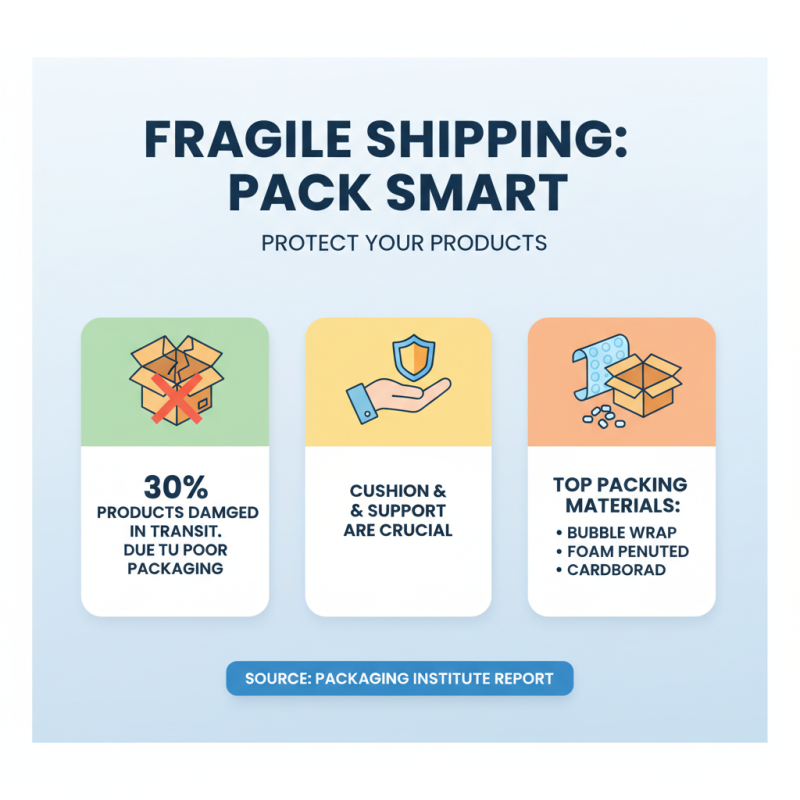
When it comes to shipping fragile items, selecting the appropriate packing materials is crucial to ensure their safety during transit. According to a recent industry report by the Packaging Institute, nearly 30% of products are damaged in transit due to inadequate packaging. Therefore, it is vital to consider materials that provide both cushioning and support. Options such as bubble wrap, foam peanuts, and corrugated cardboard are among the top choices, as they effectively absorb shocks and prevent items from shifting within their boxes.
Tips for packing fragile items include using a double-walled box for added strength and layering cushioning materials both above and below the item to create a protective barrier. Additionally, packing paper can be utilized to fill any voids in the box, preventing movement that could lead to damage. The key is to ensure that items are snugly packed, with no excess space that could allow them to jostle during shipping.
Moreover, the use of environmentally friendly packing materials is gaining traction, as sustainability becomes a focus in the shipping industry. The latest reports indicate a 25% increase in demand for eco-friendly options such as biodegradable packing peanuts and recycled paper. By choosing sustainable materials, not only can you protect fragile items, but you can also contribute to reducing environmental impact in the shipping process. Always remember to label packages clearly, marking them as "Fragile" to ensure that handlers take extra care during delivery.