Top 2025 Packing Materials: Best Options for Safe and Sustainable Shipping
In an era where sustainability meets efficiency, the choice of packing materials has emerged as a critical factor in the shipping industry. According to Mark Richmond, a renowned expert in packing material innovation, "The right packing material not only ensures the safety of goods during transit but also plays a significant role in reducing our environmental footprint." As businesses strive to meet both safety and sustainability standards, understanding the best options available for packing materials becomes essential.
With the increasing demand for eco-friendly solutions, companies are prioritizing materials that not only protect their products but also promote environmental responsibility. This shift is not merely a trend; it reflects a broader commitment to sustainable practices that resonate with consumers and regulatory bodies alike. Packing materials have evolved significantly, introducing a variety of safe and sustainable choices that cater to diverse shipping needs, ensuring that products reach their destinations without compromising the planet.
In the following sections, we will delve into the top packing materials for 2025, examining their benefits, applications, and how they align with the principles of safe and sustainable shipping. By understanding these options, businesses can better position themselves to meet future challenges while contributing positively to the environment.

Overview of Packing Materials for Shipping in 2025
In 2025, the landscape of packing materials for shipping is poised to be shaped by advancements in sustainability and efficiency. With growing consumer awareness regarding environmental issues, an increasing number of companies are prioritizing eco-friendly materials. According to a report by Smithers Pira, the global market for sustainable packaging is estimated to reach $500 billion by 2025, reflecting a compound annual growth rate of over 6%. This shift is compelling businesses to adopt biodegradable, recyclable, and compostable materials as they seek to reduce their carbon footprint while ensuring the safety of their products during transit.
Moreover, innovations in materials technology are paving the way for new packing solutions that not only meet environmental standards but also enhance product protection. For instance, the use of mycelium-based materials, derived from fungi, has gained traction as a viable alternative to traditional polystyrene. Data from the Ellen MacArthur Foundation suggests that transitioning to such sustainable materials can significantly lower greenhouse gas emissions, matching the goals set by global frameworks for fighting climate change. This transformation in packing materials is not just beneficial for the planet; it also aligns with the evolving preferences of consumers who are increasingly demanding transparency and responsibility from the brands they support.
Criteria for Selecting Safe and Sustainable Packing Options
When selecting packing materials for safe and sustainable shipping, several key criteria must be considered to minimize environmental impact while ensuring product protection.
Firstly, materials should be evaluated based on their recyclability and biodegradability. According to a 2022 report by the Ellen MacArthur Foundation, about 60% of plastic waste comes from packaging, highlighting the importance of transitioning to materials that can be efficiently reclaimed or will responsibly decompose in the environment.
Moreover, the physical properties of packing materials contribute significantly to the safety of the goods being shipped. Strong yet lightweight materials are preferred as they reduce shipping costs and fuel consumption during transport. A study by the Packaging Consortium states that using lighter packing materials can lower carbon emissions by up to 30%. Additionally, sustainable alternatives like recycled cardboard, bio-based plastics, and compostable options not only ensure the integrity of the items but also align with growing consumer preferences for eco-friendly practices.
Finally, suppliers and manufacturers should be assessed for their sustainability practices. A 2021 survey by the Sustainable Packaging Coalition revealed that over 70% of businesses surveyed prioritize sourcing from companies committed to environmental responsibility. This alignment not only fosters a sustainable supply chain but also enhances brand reputation in an increasingly environmentally-conscious market. By focusing on these criteria—recyclability, physical properties, and supplier sustainability—companies can make informed decisions that support both safe and eco-friendly shipping solutions.
Top Eco-Friendly Packing Materials for 2025
As sustainability becomes increasingly vital in the shipping industry, eco-friendly packing materials are taking center stage in 2025. Businesses are now prioritizing options that not only safeguard their products but also minimize environmental impact. Recycled cardboard and biodegradable packing peanuts have emerged as popular choices, offering effective protection while being easily recyclable or compostable. These materials significantly reduce landfill waste and appeal to environmentally conscious consumers, making them a win-win for both brands and the planet.
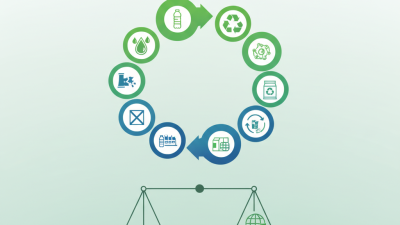
Another promising option is reusable packing solutions, such as padded mailers and crates that can be returned and reused multiple times. This circular approach not only cuts down on waste but also fosters a more sustainable economy by extending the lifecycle of packaging materials. Additionally, innovations in plant-based films and wraps are revolutionizing how goods are protected without compromising on safety or quality. These materials not only provide a secure shipping solution but also contribute to decreasing carbon footprints, making them an essential component of eco-friendly shipping strategies in 2025.
Top Eco-Friendly Packing Materials for 2025
Innovations in Packing Technology and Sustainability
The landscape of packing materials is undergoing a transformative shift, driven by innovations in technology and a growing commitment to sustainability. In recent years, companies have actively turned to biodegradable alternatives and renewable resources to create packing solutions that minimize environmental impact. Innovative materials like mushroom-based packaging and plant-derived polymers are gaining traction, offering effective protection while reducing reliance on traditional plastics. These advancements not only help in decreasing waste but also appeal to environmentally conscious consumers who prioritize sustainability.
Additionally, the integration of smart technology into packing solutions is revolutionizing the industry. IoT-enabled tracking systems are becoming commonplace, allowing businesses to monitor their shipments in real-time and ensure product safety during transit. This not only enhances operational efficiency but also provides valuable data on shipping practices, enabling companies to reduce their carbon footprint further. As organizations strive for eco-friendly practices, these technological innovations promise a future where packing is not only safe and efficient but also aligned with sustainable values.
Best Practices for Utilizing Packing Materials Effectively
When utilizing packing materials for shipping, effectiveness and sustainability should go hand in hand. According to a 2022 report by the European Packaging Association, about 70% of consumers prefer brands that prioritize environmentally friendly packaging solutions. This preference not only reflects consumer values but also emphasizes the need for businesses to adopt best practices in packing materials. Utilizing biodegradable, recyclable, or reusable packing materials can significantly reduce waste and enhance brand reputation. Incorporating these materials into shipping strategies also aligns with global sustainability goals, as the logistics sector accounts for nearly 29% of total greenhouse gas emissions as noted by the International Transport Forum.
To maximize the effectiveness of packing materials, businesses can implement strategies such as optimizing package size and maintaining proper cushioning to prevent damage during transit. A report from the Packaging Industry Association revealed that up to 30% of products are damaged in shipping due to inadequate protection. By choosing the right materials, such as eco-friendly foam or paper-based cushioning products, companies can reduce product loss and maintenance costs. Moreover, minimizing excess packaging not only decreases environmental impact but also lowers shipping costs. Efficient utilization of packing materials enhances operational efficiency and fulfills consumer expectations for sustainable practices.