Why Use Plastic Shrink Wrap for Packaging and Protection?
Plastic shrink wrap is an essential tool in packaging. It offers a simple, effective solution for protecting products. Many businesses rely on it for securing items before shipping or storage. The tight seal it provides protects against dust, moisture, and physical damage.
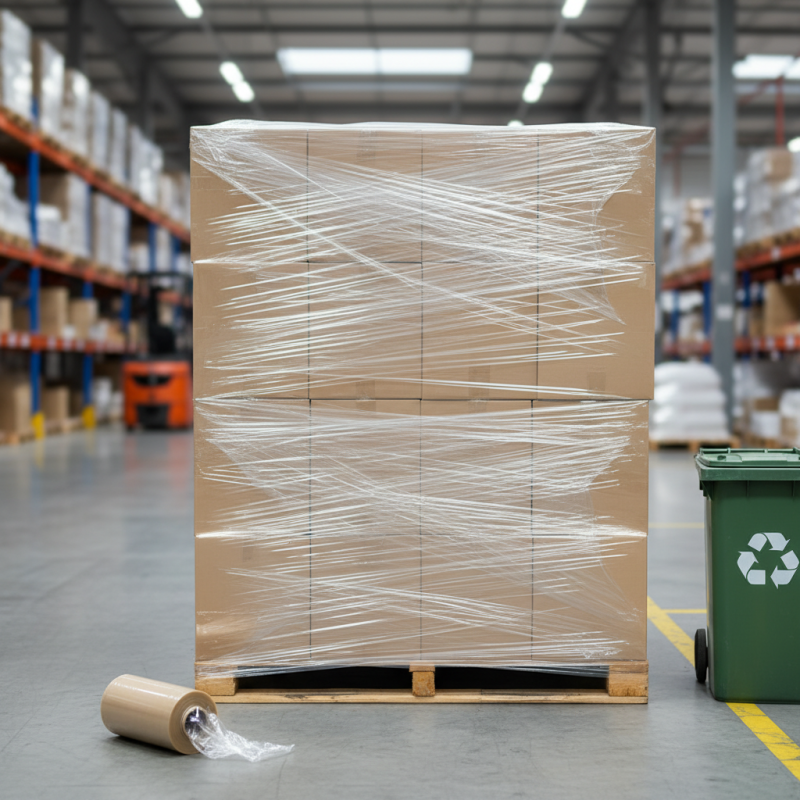
Using plastic shrink wrap contributes to the longevity of various products. It prevents spoilage, especially in the food industry. Imagine a stack of boxes wrapped tightly in this film. They stay clean and untouched during transport. Yet, some may wonder about environmental impacts. Is shrink wrap recyclable? This question lingers for many consumers.
Overall, plastic shrink wrap serves numerous purposes. Its versatility makes it favorable in multiple sectors. However, we should reflect on its environmental footprint. Balancing usage with sustainability remains an ongoing challenge for businesses and consumers alike.
Benefits of Plastic Shrink Wrap in Packaging Solutions
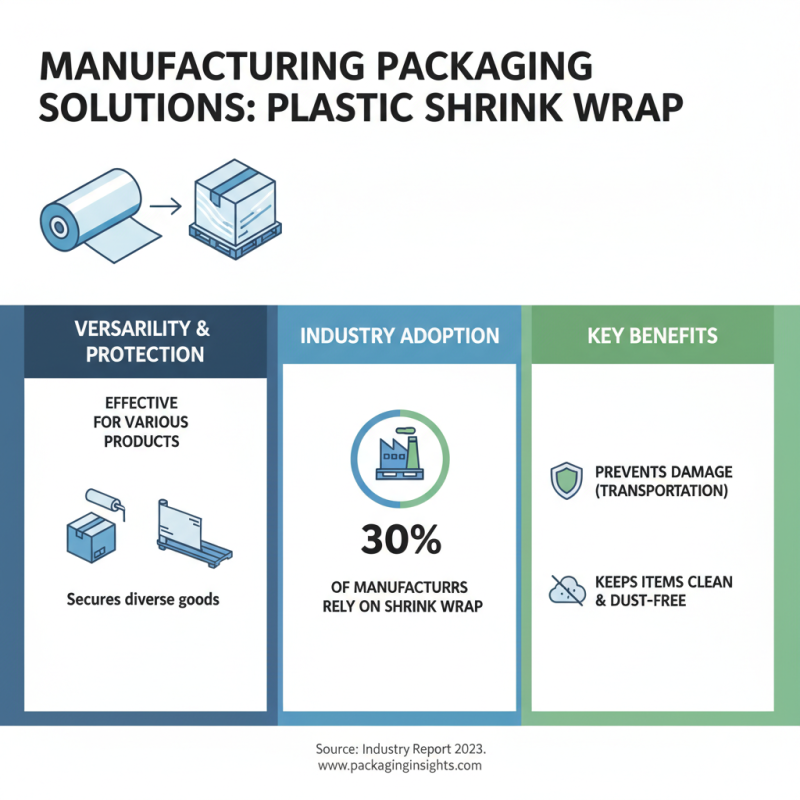
Plastic shrink wrap is a versatile packaging solution. It provides effective protection for various products. Around 30% of manufacturers now rely on shrink wrap to secure their goods. This method helps in preventing damage during transportation. It also keeps items clean and dust-free.
One of the notable benefits is its ability to conform tightly to products. This tight fit minimizes movement, which reduces the risk of breakage. According to industry reports, nearly 70% of users see reduced product loss due to damage. Furthermore, plastic shrink wrap is lightweight. This contributes to lower shipping costs when compared to traditional packaging.
However, not everything is perfect. Some may find it challenging to recycle. The environmental impact of shrink wrap remains a topic of concern. While prices are generally low, the continuous demand for alternatives may affect future costs. Each of these factors plays a role in the long-term applicability of shrink wrap in the industry.
Types of Products Best Suited for Plastic Shrink Wrap
Plastic shrink wrap is a versatile packaging solution. It offers excellent protection for a variety of products. Many industries utilize this method for its many benefits.
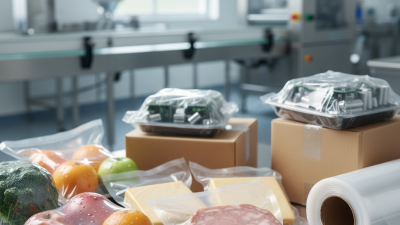
Food products often benefit from shrink wrap. This material keeps items fresh and safe from contamination. It creates a tight seal around food, deterring pests. Items like fruits, vegetables, and prepared meals stay intact and visually appealing.
Non-food items also find value in shrink wrap. Retail products like toys and electronics often use it for stability. It prevents dust and moisture exposure during transport. However, oversight is needed. Not all items should be shrink-wrapped. Certain delicate products could sustain damage from heat. Understanding product needs is essential.
Environmental Considerations of Using Plastic Shrink Wrap
Plastic shrink wrap is often chosen for its ability to secure and protect products. However, its environmental impact warrants consideration. The market for plastic films was valued at $33.4 billion in 2020, with a significant portion attributed to shrink wraps. This widespread use raises questions about sustainability.
The production of plastic shrink wrap contributes to pollution. The process emits carbon dioxide, a greenhouse gas. On average, producing one ton of plastic can release approximately 3.7 tons of CO2. Additionally, plastic waste is a major concern. According to the United Nations, around 13 million tons of plastic end up in oceans each year. This poses hazards to marine life and ecosystems.
Recycling efforts for plastic shrink wrap are limited. Many facilities do not accept this type of plastic. Hence, a large percentage of shrink wrap ends up in landfills. Awareness of these issues is crucial. While shrink wrap serves a practical purpose, its long-term consequences must be addressed. Transitioning to biodegradable alternatives could be a step towards reducing plastic waste. Ultimately, the packaging industry should explore sustainable practices to balance functionality and environmental responsibility.
Environmental Impact of Plastic Shrink Wrap Usage
Application Techniques for Effective Plastic Shrink Wrapping
Plastic shrink wrap is a versatile solution for packaging and protection. To achieve effective shrink wrapping, various application techniques play a critical role. Understanding these methods can enhance the efficiency of your packaging process.
A common technique involves ensuring adequate heat distribution. Uneven heat can lead to ineffectively sealed products. Heat guns or shrink tunnels can be used for consistent warmth. Data from industry reports indicates that proper heat application can reduce material waste by up to 30%. When using heat guns, maintain a safe distance. This prevents burning or melting of the plastic.
Another vital tip is to choose the right shrink film thickness. Standard options range from 60 to 100 gauge. Thinner films are lighter but may lack strength. Conversely, thicker films add weight and cost. Analyze your product's fragility and weight before selecting the film. Proper measuring can prevent waste.
Finally, practice careful sealing techniques. A tight seal keeps products secure during transport. Loose seals may lead to damage or exposure. Consider using a professional-grade sealer for stronger bonds. Review reports showing that 20% of product returns are due to packaging failures. These insights can encourage reflection on your current methods.
Cost-Effectiveness of Plastic Shrink Wrap in Shipping and Storage
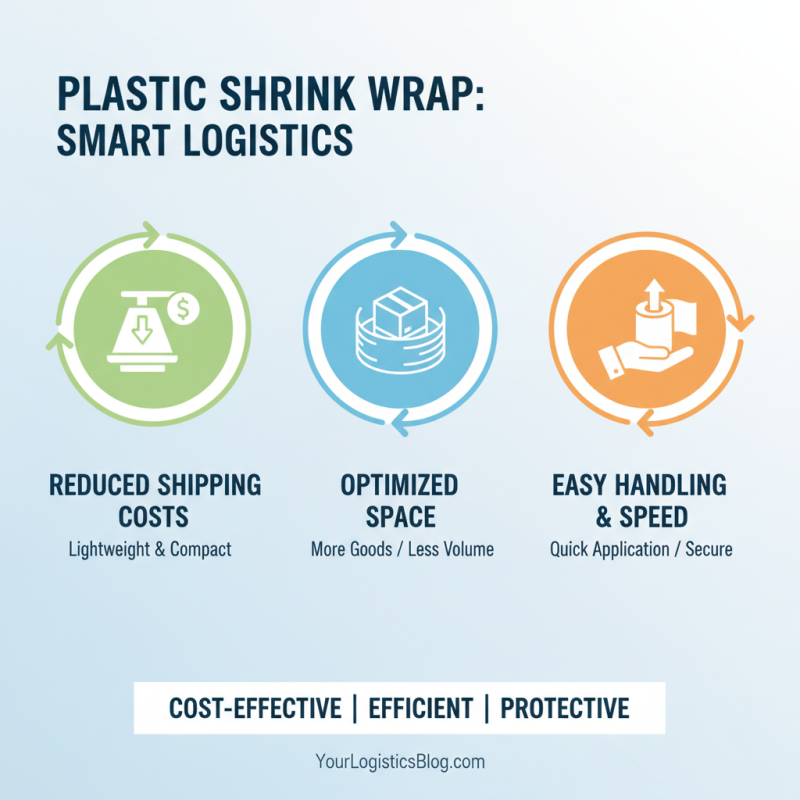
Plastic shrink wrap has garnered attention for its cost-effectiveness in shipping and storage. It is lightweight and easy to handle. This reduces shipping costs significantly. Companies can pack more goods in less space, optimizing their logistics.
When products are wrapped tightly, they are protected from moisture and dust. However, improper usage can lead to damage. If items are not wrapped correctly, they may still shift during transit. This can result in product failure or lower quality upon arrival. Reflecting on packaging methods is essential.
Plastic wrap is also versatile. It can be used for various items, from pallets to small products. Despite this versatility, it can sometimes be challenging to find the right gauge. Thick wraps offer durability but add weight. Thin wraps save weight but may lack protection.