Top Uses and Benefits of Plastic Shrink Wrap for Packaging and Protection
Plastic shrink wrap has become an indispensable material in the packaging and protection industry, offering a versatile solution for a wide range of applications. This innovative film technology plays a crucial role in ensuring the safety and integrity of products during storage and transportation. By providing a tight seal around items, plastic shrink wrap prevents dust, moisture, and environmental contaminants from compromising quality. Its ability to conform snugly to various shapes makes it ideal for protecting products, from household items to industrial equipment.
The benefits of using plastic shrink wrap extend beyond mere protection; it also presents an efficient packaging solution that optimizes space and enhances organization. With its lightweight nature, businesses can reduce shipping costs and improve the overall efficiency of their logistics. Additionally, plastic shrink wrap comes in various sizes and thicknesses, allowing users to select the right type for their specific needs. This adaptability makes it a popular choice across different sectors, such as retail, food services, and manufacturing, where product longevity and presentation are paramount.
In summary, the multifaceted uses of plastic shrink wrap highlight its importance in modern packaging strategies. As industries continually seek cost-effective and reliable solutions to enhance product safety and presentation, understanding the benefits and applications of plastic shrink wrap becomes essential for both consumers and businesses alike.

Definition and Overview of Plastic Shrink Wrap
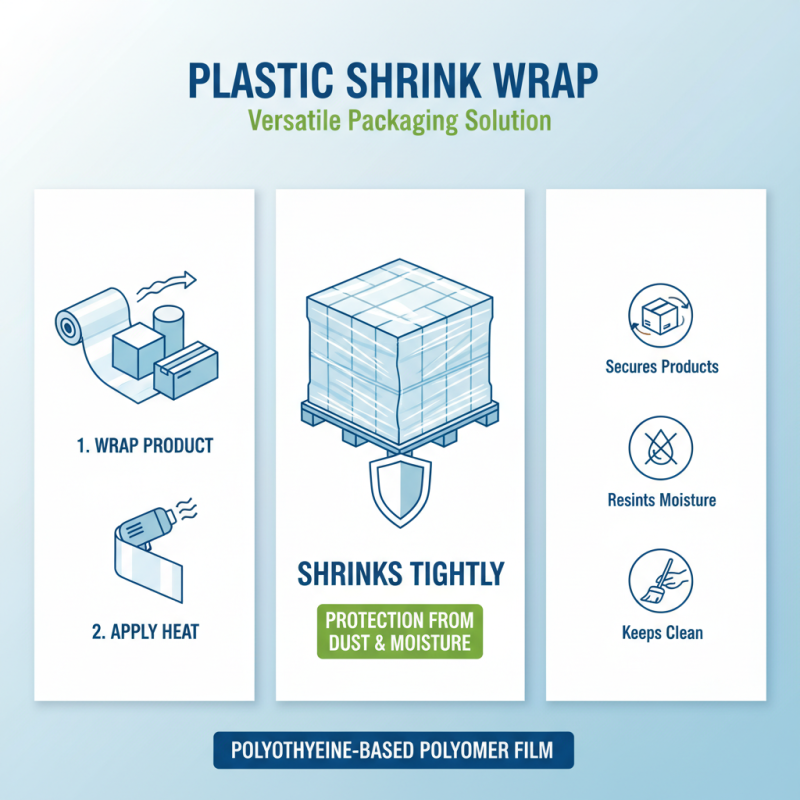
Plastic shrink wrap, often referred to simply as shrink wrap, is a versatile packaging material made from various types of polymers, primarily polyethylene. This type of plastic film is engineered to become thinner and tighter when heat is applied, making it an ideal solution for securing and protecting products. The manufacturing process involves creating a thin layer of plastic that can easily be wrapped around items of diverse shapes and sizes. Once heated, the film shrinks tightly around the object, providing a snug fit that protects it from dust, moisture, and other environmental factors.
In addition to its protective qualities, plastic shrink wrap is beneficial for efficient packaging and storage. It prevents tampering, as the tightly sealed wrap is challenging to penetrate without leaving visible signs of damage. Moreover, the clarity of the film allows for easy visibility of the packaged items, making it suitable for retail and shipping uses. The lightweight nature of shrink wrap reduces shipping costs, while its stretchability enables it to conform to irregular shapes, ensuring that value and integrity are maintained during transport. Overall, plastic shrink wrap enhances product presentation and security, making it a preferred choice across various industries.
Key Characteristics and Properties of Plastic Shrink Wrap
Plastic shrink wrap is an incredibly versatile packaging material known for its beneficial properties. One of its key characteristics is its ability to shrink tightly around products when heat is applied, providing a secure and tamper-evident seal. This property is essential in preserving the integrity of the items it envelops, preventing dust, moisture, and other contaminants from affecting the goods. Additionally, the clarity of shrink wrap allows for excellent visibility of the packaged products, making it ideal for retail displays.
Another significant property of plastic shrink wrap is its strong mechanical strength, which guards against punctures and tears. This durability ensures that the packaged items remain intact during transportation and handling, reducing the likelihood of damage. Moreover, shrink wrap is lightweight, which contributes to lower shipping costs and makes it a more economical choice for businesses seeking efficient packaging solutions. Its flexibility also allows it to conform to oddly shaped products, providing a snug fit that enhances stability. These characteristics combined make plastic shrink wrap a reliable option for various industries, from food packaging to consumer goods and beyond.
Common Applications of Plastic Shrink Wrap in Packaging
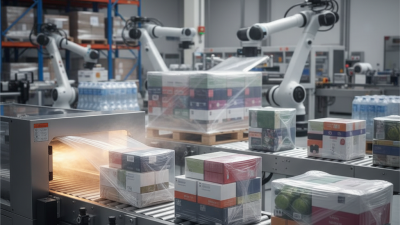
Plastic shrink wrap is an essential tool in many industries due to its versatility and protective qualities. One of the most common applications of plastic shrink wrap is in the packaging of products for shipping and storage. According to a report by Smithers Pira, the global market for shrink wrap is expected to reach over $6 billion by 2024, indicating its growing prevalence in packaging solutions across various sectors. The shrink wrap creates a tight seal around products, protecting them from dust, moisture, and tampering, thereby ensuring that goods arrive at their destination in pristine condition.
Another significant application of plastic shrink wrap is in unitizing products for easier handling and display. For instance, in the beverage industry, bottles or cans can be grouped together and secured with shrink wrap, which not only makes transportation more efficient but also enhances shelf appeal. A study by MarketsandMarkets projects that the use of shrink film in the food and beverage sector will account for a substantial share of the market, as manufacturers increasingly rely on this method for its ability to prolong product shelf life while maintaining visual clarity. The convenience and efficiency offered by plastic shrink wrap further solidify its status as a preferred packaging method across various applications.
Top Uses and Benefits of Plastic Shrink Wrap for Packaging
Benefits of Using Plastic Shrink Wrap for Product Protection
Plastic shrink wrap is a versatile packaging solution that offers numerous benefits for product protection. One of the primary advantages is its ability to create a secure barrier against dust, moisture, and contaminants. When heat is applied, the wrap tightly conforms to the shape of the item, ensuring it remains firmly in place. This snug fit significantly reduces the risk of damage during transportation and storage, making it ideal for various products, from electronics to food items.
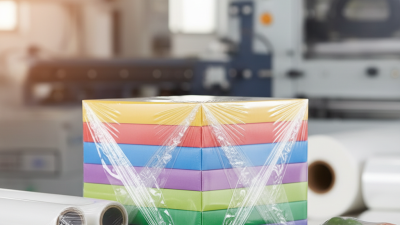
In addition to providing excellent protection, plastic shrink wrap can also be used to consolidate multiple items into a single package, enhancing ease of handling and shipping. By bundling items together, businesses can optimize their storage space and streamline their logistics processes. The transparency of the shrink wrap also allows for easy identification of the contents without opening the package, which is particularly useful in retail settings.
Tips for Using Plastic Shrink Wrap:
- Ensure that the surface of the product is clean and dry before applying shrink wrap to achieve the best seal.
- Use caution when applying heat to avoid overheating, which can lead to melting or damage to sensitive items.
- Consider using an appropriate grade of shrink wrap based on the specific needs of your product, such as thickness for durability or features like UV protection for outdoor items.
Environmental Considerations and Sustainability of Plastic Shrink Wrap
Plastic shrink wrap is widely recognized for its versatility in packaging, providing both protection and security for a myriad of products. However, its environmental impact and sustainability aspects are becoming increasingly crucial as industries strive for greener practices.
According to a recent report by the Flexible Packaging Association, around 30% of plastic waste comes from packaging materials, highlighting a significant challenge for sustainability.
While plastic shrink wrap optimally preserves and protects goods, it is typically derived from petroleum-based sources. This raises concerns regarding its biodegradability and the carbon footprint associated with its production. Yet, advancements in technology have paved the way for more sustainable options.
For instance, many manufacturers are now producing biodegradable variants made from plant-based materials, which decompose more effectively than traditional plastics. The global market for bioplastics is projected to grow significantly, with an estimated compound annual growth rate (CAGR) of over 20% by 2025, demonstrating a promising shift towards sustainable practices.
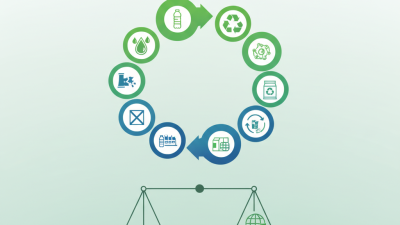
Tips for using plastic shrink wrap in an environmentally friendly manner include ensuring that the materials used are recyclable or biodegradable, and minimizing excess packaging to reduce waste. Additionally, consider reusing shrink wrap wherever possible and always dispose of it responsibly according to local recycling guidelines. By choosing sustainable options and optimizing usage, businesses can contribute positively to environmental efforts while still benefiting from the protective qualities of shrink wrap.