How to Use Polyolefin Shrink Wrap for Effective Packaging Solutions?
Effective packaging is crucial in today’s market. It protects products and enhances presentation. One popular option is Polyolefin Shrink Wrap. This material is versatile and offers many advantages for packaging.
Polyolefin Shrink Wrap is lightweight yet durable. It clings tightly around items, ensuring they are secure. This feature makes it ideal for various applications. Whether it’s food, electronics, or retail items, Polyolefin Shrink Wrap provides protection.
However, using it effectively requires knowledge. Temperature control is vital during the shrinking process. Overheating can lead to damage, while underheating may not achieve proper sealing. Understanding these details can lead to better results. Remember that practice makes perfect. Many still struggle with achieving the right tension. This reflects the importance of ongoing learning in packaging.
Understanding Polyolefin Shrink Wrap: Types and Properties
Polyolefin shrink wrap is a versatile packaging material. It has diverse types and properties that cater to different packaging needs. It is made from polymers, creating a durable and flexible film. This kind of wrap is known for its excellent clarity and strength. Many users appreciate its ability to shrink tightly around products, enhancing the presentation.
There are two main types of polyolefin shrink wrap: centerfold and single wound. Centerfold offers a wide format that allows for easy wrapping of larger items. Single wound, on the other hand, is ideal for small or irregular shapes. Both types have varying thickness levels, impacting their durability and shrink characteristics. Users often note that choosing the right type can be challenging.
The properties of polyolefin shrink wrap include high resistance to tears and punctures. It also offers a good barrier against moisture, dust, and UV rays. This makes it suitable for both indoor and outdoor use. However, some users have found that its performance varies depending on the application method and heat source. Experimentation with different wraps can lead to unexpected results. Exploring these options is essential for effective packaging solutions.
Applications of Polyolefin Shrink Wrap in Various Industries
Polyolefin shrink wrap has gained popularity across various industries due to its versatility and durability. The packaging sector relies heavily on this material for products like beverages, food items, and electronics. According to a market research report, the global shrink wrap market was valued at approximately $5.2 billion in 2022, with a projected growth rate of 4.5% through 2030. This growth is driven by the rising demand for efficient packaging solutions.
In the food industry, polyolefin shrink wrap ensures product freshness and prolongs shelf life. It protects contents from moisture, contaminants, and physical damage. In electronics, this material safeguards components during shipping and storage. Tight wrapping prevents movement and accidental damage. However, not all applications are flawless; improper sealing can lead to compromised integrity.
Moreover, polyolefin shrink wrap is environmentally conscious. It can be recycled, unlike some traditional materials. This appeals to companies striving for sustainability. Yet, many firms struggle with finding proper recycling channels. Data shows that only about 26% of plastic waste is recycled globally. This poses a significant challenge for manufacturers aiming to minimize their ecological footprint while maintaining effective packaging solutions.
Step-by-Step Guide to Using Polyolefin Shrink Wrap Effectively
Using polyolefin shrink wrap can transform your packaging process. This versatile material is
strong and clear, making it ideal for various items.
Begin by gathering your supplies: polyolefin shrink wrap, a heat source, scissors, and a suitable workstation.
Cut the shrink wrap to accommodate your product, allowing enough space for the heat to shrink around it.
Next, place your item in the center of the cut wrap. Ensure it is positioned properly. Fold the edges over and prepare for
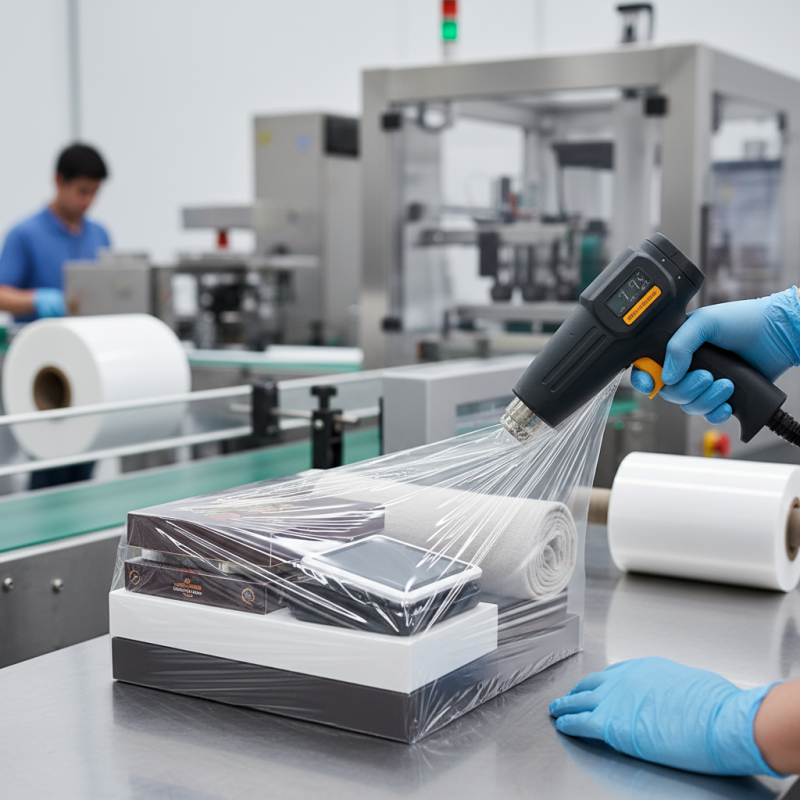
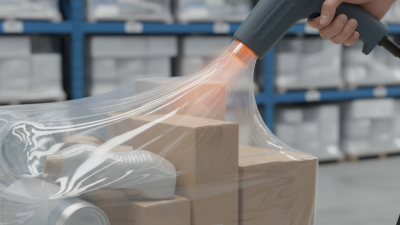
the heat application. A heat gun is effective, but be cautious to avoid overheating. Hold the gun a few inches away.
Watch how the wrap tightens and conforms. It’s fascinating to see the transformation. However, do not rush the process;
impatience can lead to wrinkles or burn spots.
After shrinking, check the packaging for any imperfections. You may find areas that need additional heat.
It's crucial to assess before finalizing the package.
Mistakes happen, and learning from them is part of the process. Practice makes perfect.
Continually refine your technique for better results over time.
Best Practices for Sealing and Storing Packages with Polyolefin Shrink Wrap
Polyolefin shrink wrap is a versatile material for many packaging solutions. Its durability and clarity make it a favored choice in various industries. One key practice in sealing packages with polyolefin is ensuring the right heat settings. Reports indicate that improper heat application can weaken seals. The ideal temp usually ranges between 300°F to 400°F. A temperature that's too low won't shrink properly, while too high can burn the wrap.
When storing packages sealed with polyolefin, it’s important to consider the environment. Excessive humidity can compromise the integrity of the packaging. Surveys show that 30% of packaging failures occur due to moisture. Utilizing desiccants can help in managing this issue effectively. Also, packages should be stored away from direct sunlight to maintain the film's properties.
Improper sealing techniques can lead to unplanned product exposure. It’s crucial to check for air pockets and ensure a snug fit around every item. Regularly inspecting sealing machines can prevent these mistakes. While polyolefin provides many advantages, the understanding of its limitations is essential for effective use.
Cost-Effectiveness and Environmental Considerations of Polyolefin Shrink Wrap
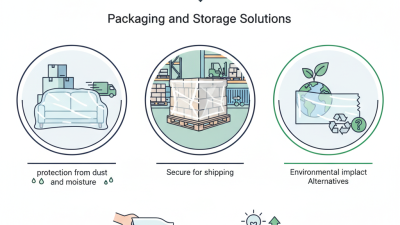
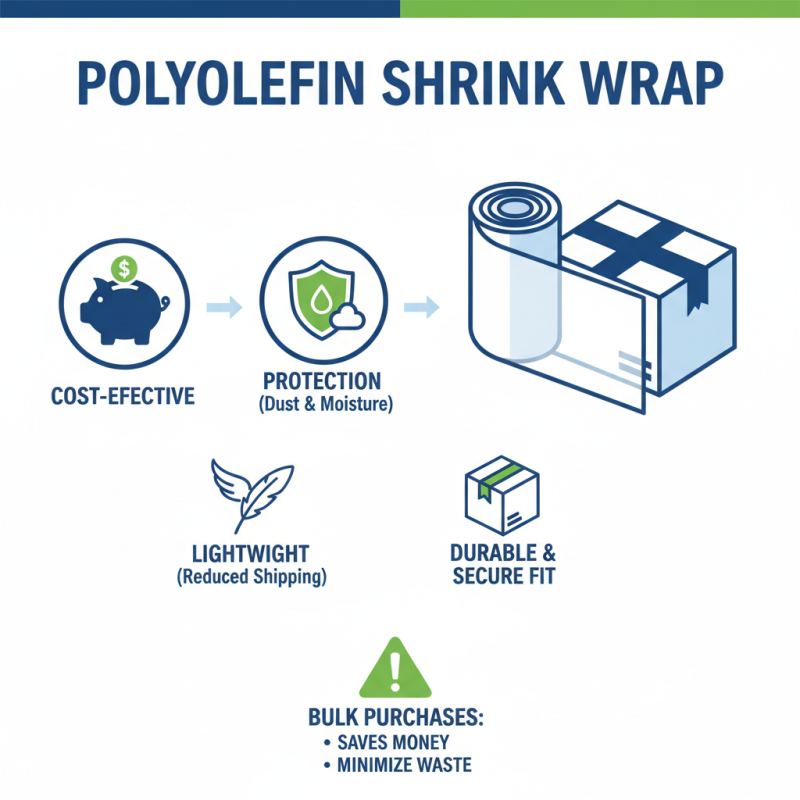
Polyolefin shrink wrap offers a cost-effective solution for packaging. This material provides excellent protection against dust and moisture. It is lightweight, reducing shipping costs. The shrink wrap conforms tightly around products, ensuring optimal durability. Businesses often choose polyolefin due to its lower price compared to alternatives. However, careful consideration of bulk purchases is essential. Buying in large quantities can save money, but unused wrap can lead to waste.
The environmental impact of polyolefin is also a significant concern. While it is recyclable, many facilities are not equipped to process it. Consumers often dispose of shrink wrap improperly, leading to plastic waste. This is a serious consideration for eco-conscious businesses. Finding sources to recycle polyolefin can mitigate some of these issues. Moreover, companies can explore biodegradable options. This shift would align more closely with sustainability goals.
Using polyolefin shrink wrap effectively requires balancing cost and environmental concerns. It's crucial to assess the trade-offs. Every choice made in packaging should consider long-term implications on the environment. Rethinking packaging strategies can benefit both the bottom line and the planet.